معرفی
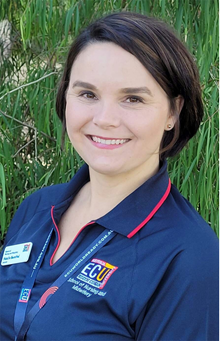
Philip Russo is a Professor in the School of Nursing and Midwifery at Monash University, Australia, and Director of Research for Nursing and Midwifery in the Faculty of Medicine, Nursing and Health Sciences. He also serves as Director of Nursing Research at Cabrini Health. His roles include leadership in infection prevention and control, including past presidency of the Australasian College for Infection Prevention and Control (ACIPC) and membership in national healthcare advisory committees such as the National Health and Medical Research Council Infection Control Guidelines Advisory Committee.
Education: PhD (Queensland University of Technology, 2016), Master of Clinical Epidemiology (Monash University, 2002), Bachelor of Nursing (Deakin University, 1994). He holds an external position as Conjoint Lecturer at Avondale University.
Russo’s research focuses on healthcare-associated infections (HAIs), infection prevention strategies, surveillance systems, and quality improvement in healthcare. His work emphasizes reducing HAIs through evidence-based practices, including enhanced cleaning protocols, antimicrobial stewardship, and implementation science. He has led or contributed to major studies such as Australia’s National Healthcare-Associated Infection Point Prevalence Survey and the CALIPSO trial on cardiac surgery prophylaxis.
Key awards include the National Health and Medical Research Early Career Fellowship (2019). He has secured over $162k in research funding from the WHO and Australian government bodies. His 100+ peer-reviewed articles and book chapters address infection control, patient safety, and healthcare epidemiology.
Grants and projects include leadership roles in initiatives like the REBUILD project (reducing HAI burden) and A-PRECISE (aged care infection prevention). He actively supervises students and contributes to editorial boards (e.g., American Journal of Infection Control).
Labs/Teams: Involved in multidisciplinary groups such as the COMBAT-AMR consortium and collaborations with institutions globally (e.g., Papua New Guinea, Philippines).