معرفی
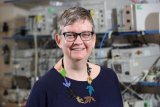
Philip Kitchen is a BBSRC Discovery Fellow at the School of Biosciences, Aston University, within the College of Health and Life Sciences. His research focuses on membrane proteins, including aquaporin channels and their roles in neurological disorders like brain edema. He develops iPSC-based models of the blood-brain barrier and uses advanced techniques like cryo-EM and mass photometry. His work spans drug discovery, protein purification, and cellular trafficking mechanisms.
Education:
- PhD in Molecular Organisation and Assembly in Cells (2016), University of Warwick
- MSc in Mathematical Biology and Biophysical Chemistry (2012), University of Warwick
- MPhys Physics (2011), University of Warwick
Research Interests:
- Membrane protein dynamics and drug targeting
- Aquaporin function in health and disease
- Protein purification and structural biology
- Neurological fluid homeostasis
Key Achievements:
- Recipient of the BBSRC Discovery Fellowship
- Over 35 peer-reviewed publications, including work on glymphatic flow and aquaporin trafficking
- Leader of interdisciplinary projects combining biophysics and cell biology
Grants & Supervision: Supervises undergraduate/Masters projects and accepts PhD candidates. Active in collaborative research networks across multiple institutions.
Labs/Teams: Part of the Aston Research Centre for Health in Ageing and Aston Institute for Membrane Excellence, focusing on translational research in membrane biology.