معرفی
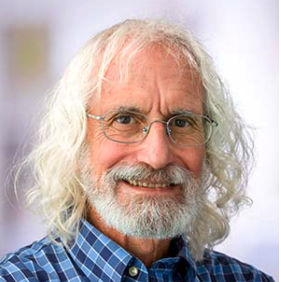
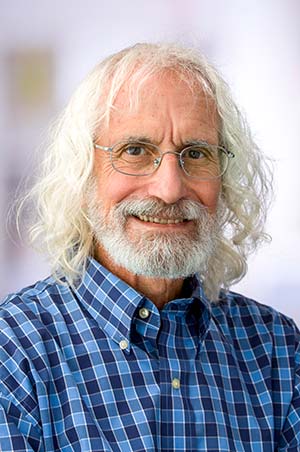
Philip Greenberg, MD is Professor & Head of the Program in Immunology in the Translational Science and Therapeutics Division at Fred Hutchinson Cancer Research Center. He also holds a Professorship of Medicine & Immunotherapy at the University of Washington and serves as a Member Researcher at the Parker Institute for Cancer Immunotherapy.
Dr. Greenberg is an internationally-recognized expert in cancer immunotherapy who pioneered techniques to genetically reprogram T cells to target cancers. His research spans multiple cancer types including acute myeloid leukemia, ovarian cancer, pancreatic cancer, and melanoma. He has developed methods for generating antigen-specific T cells and engineering T cell receptors (TCRs) with enhanced affinity for tumor antigens.
His laboratory focuses on both basic immunology and cancer immunobiology, with particular emphasis on identifying and validating tumor antigen targets like WT1, Cyclin A1, and Mesothelin. Current research explores overcoming immune-suppressing tumor microenvironments and developing genetic engineering approaches to improve T cell survival and function.
Dr. Greenberg's work has led to multiple clinical trials targeting various malignancies, with promising results particularly in leukemia treatment. His research has evolved from foundational work on T cell recognition of malignant cells to current cutting-edge approaches in cellular engineering.
- The Rona Jaffe Foundation Endowed Chair
As a mentor, Dr. Greenberg has trained more than 40 investigators who have gone on to develop independent research careers. His laboratory continues to innovate in T cell engineering, with ongoing projects targeting pancreatic cancer (personal motivation as his father died from this disease in 2001), ovarian cancer, and other solid tumors. The lab maintains active collaborations across multiple institutions and is part of an AACR-funded multicenter 'Dream Team'.
Dr. Greenberg's laboratory operates within the Program in Immunology at Fred Hutch, which has a rich history dating back to Nobel Prize-winning work on bone marrow transplantation in the 1960s.