معرفی
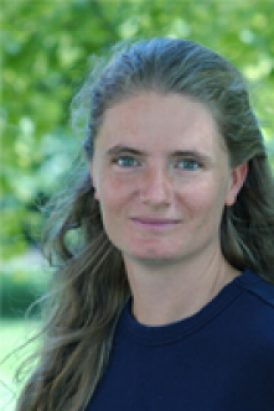
Professor Peter Meister leads the Cell Fate and Nuclear Organization laboratory at the University of Bern's Faculty of Medicine, Department of Cell Biology. His research focuses on understanding how nuclear architecture influences gene expression and cell specialization using C. elegans as a model organism. The lab investigates fundamental questions about genome organization within the nucleus, including how chromosomal territories are established and maintained during cell differentiation.
- Research spans nuclear organization, epigenetics, and developmental biology
- Specializes in C. elegans genetics and imaging techniques
- Studies dosage compensation mechanisms and cell fate stabilization
Meister's research reveals how the 2-meter-long human genome folds into a 5-micrometer nucleus, with implications for understanding cancer and cellular reprogramming. His work demonstrates that genome organization is neither homogeneous nor constant, with compaction levels varying by cell type and developmental stage. Recent publications highlight discoveries in condensin-mediated chromosome folding, enhancer-promoter interactions, and tissue-specific transcription mapping using innovative techniques like RAPID.
As principal investigator, Meister mentors five active PhD students and maintains a productive research pipeline with consistent high-impact publications in journals like Nature Genetics and Nature. His laboratory combines genetic, genomic, and advanced imaging approaches to dissect nuclear architecture principles conserved across species.