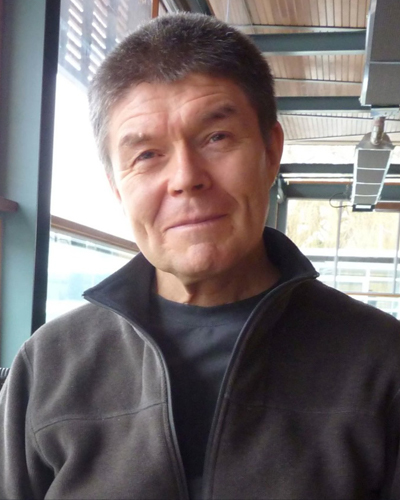
Peter Cole
دانشیار · Indigenous ecological knowings and climate change mitigation
University of British Columbiaمعرفی
Peter Cole serves as an Associate Professor in the Department of Curriculum and Pedagogy at the University of British Columbia's Faculty of Education, where his office (Scarfe 2329) and direct phone line (604–827–5383) reflect his active institutional presence. His work bridges Indigenous knowledge systems with contemporary educational challenges through community-engaged scholarship.
Cole's research centers on Indigenous ecological knowings and climate change mitigation, exploring how Indigenous ecoliteracies form the foundation for sustainable pedagogies. His investigations into Indigenous narrativity and performativity reveal how oral traditions transmit ecological wisdom across generations, while his focus on community-based research methodologies establishes ethical frameworks for Global North/Global South collaborations. This work consistently addresses ecojustice and sustainability education, with particular attention to Indigenous agrobiodiversity conservation and language regeneration as critical components of cultural resilience.
Analysis of Cole's publication trajectory (2010-2024) reveals a distinctive narrative approach using Coyote and Raven figures to explore ecojustice pedagogies, with recent work (2020-2024) advancing innovative concepts like musical diacritics of water and cross-species communication. His scholarship demonstrates consistent thematic threads: decolonizing STEM education through survivance narratives, protecting Indigenous intellectual property, and developing land-based learning models that integrate Indigenous epistemologies with climate crisis response.
No scientific awards were documented in the available sources.
Information regarding graduate student supervision and research funding mechanisms was not specified in the provided materials, though his community-based research methodologies suggest collaborative grant partnerships with Indigenous communities.
Cole's narrative-driven approach implies engagement with Indigenous knowledge-keeper networks and interdisciplinary research collectives focused on ecological justice, though specific laboratory or team structures were not detailed in the source materials.
حوزههای پژوهشی