معرفی
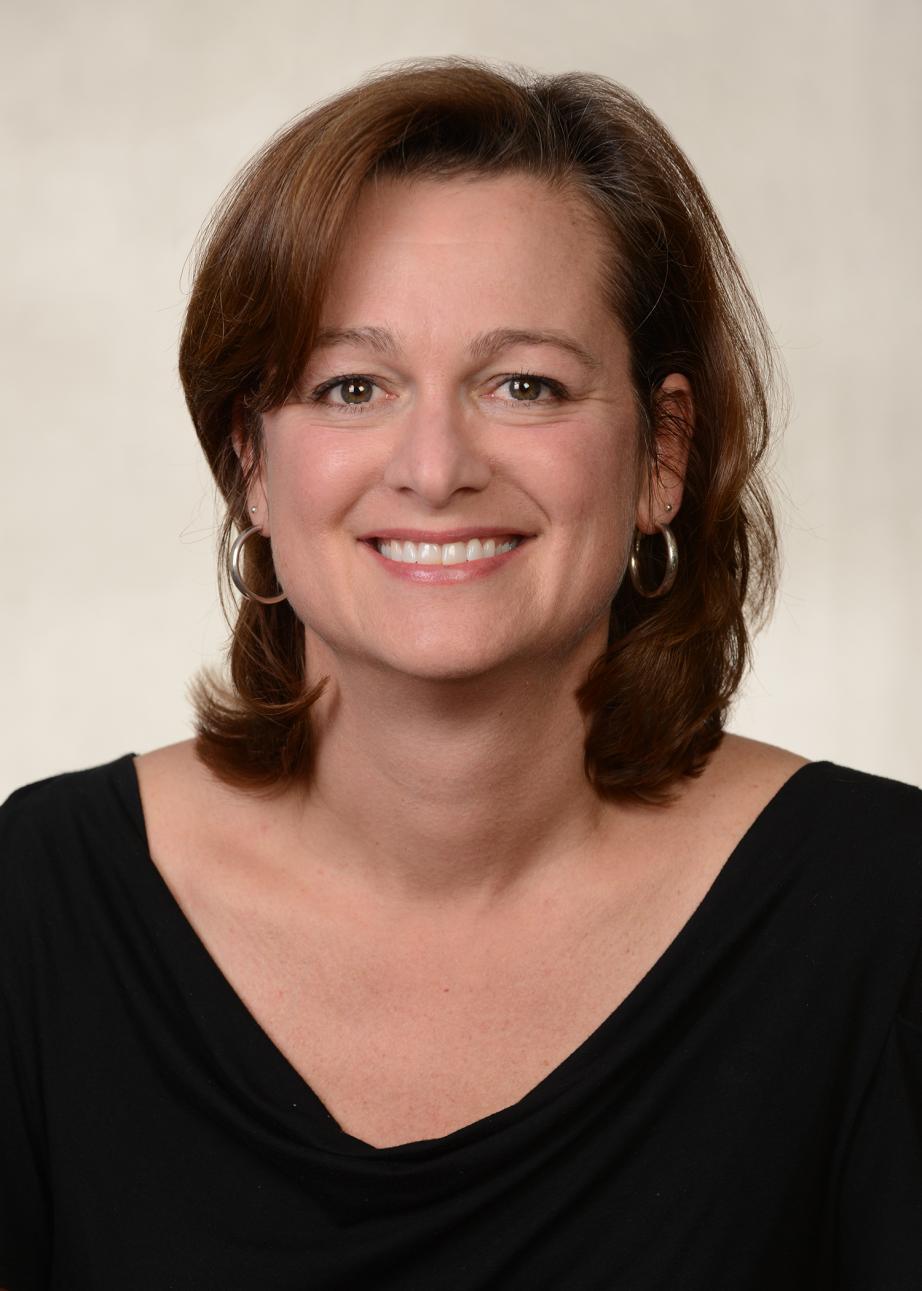
Penny Roberts is a distinguished academic in the Faculty of Arts at the University of Warwick, specializing in the social, religious, cultural, and political history of sixteenth-century France. Her research centers on the French Wars of Religion (c.1562–1598), with a particular focus on violence, peace processes, royal authority, and confessional relations. She teaches undergraduate and postgraduate modules on deviance, religious conflict, and violence in early modern Europe.
- Fellow, Leibniz Institute for European History (2022)
- Fellow, Institut d’Études Avancées de Paris (2019)
- President, Society for the Study of French History (2021)
- Trustee and committee member, Society for the Study of French History (since 1998)
- Editorial board, French History (since 2007)
- Co-editor, French History (2010–2018)
- Co-editor, Studies in Early Modern European History (1995–2018)
- Fellow, Royal Historical Society (since 2000)
Her research explores themes such as ritual, sovereignty, border transgression, and the rhetoric of peace and violence. She has authored and edited numerous books, including Peace and Authority during the French Religious Wars (2013) and Ritual and Violence (2012). Her upcoming work investigates Huguenot espionage and clandestine correspondence.
The most recent articles reflect a sustained engagement with massacre studies, judicial violence, royal authority, and the dynamics of religious conflict. Keywords across her publications include early modern history, religious violence, political culture, and gender. Subfields span from St. Bartholomew's Day Massacre to royal corporeality and peace rhetoric, illustrating a rich interdisciplinary approach.
She has received prestigious awards for her scholarship:
- Sixteenth Century Society Nancy Lyman Roelker Prize
- Charles DeBenedetti Peace History Prize
Penny Roberts has supervised numerous PhD students, many of whom have gone on to successful academic careers. Her supervision spans topics such as Catholic associations, menstruation in early modern France, royal tours, and Huguenot noble identity. She has also contributed to public history through BBC Radio 4 appearances on the St. Bartholomew's Day Massacre, the Field of the Cloth of Gold, female rulers, and urban conflict.
She is affiliated with several research networks and editorial boards, contributing to the broader academic community through leadership, mentorship, and collaborative scholarship.