معرفی
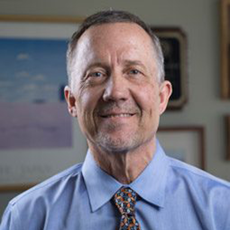
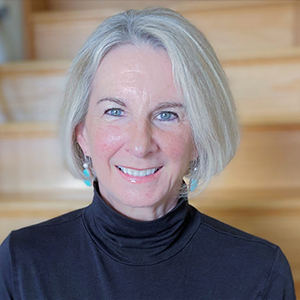
Paula G. Williams, Ph.D., is a Professor in the Department of Psychology at the University of Utah. Her research focuses on individual differences in risk and resilience for adverse mental and physical health outcomes, particularly examining the interplay between personality, cognitive functioning, and psychophysiological factors like respiratory sinus arrhythmia (RSA). She has a dual emphasis on stress regulation (exposure, reactivity, recovery, restoration) and the health impacts of aesthetic engagement (art, nature, beauty).
Education:
- Ph.D., University of Utah (Clinical Psychology, 1995)
- M.S., Illinois State University (Clinical Psychology, 1988)
- B.S., University of Illinois (Psychology/Genetics and Development, 1986)
- Internship & Postdoctoral Fellowship, Duke University Medical Center (Clinical Psychology, 1993–1996)
Research Interests:
Williams investigates how personality traits (e.g., Openness to Experience), executive functioning, and RSA interact to influence stress regulation and health outcomes. Her work bridges clinical psychology and health psychology, with recent trends focusing on:
- Phenotypic and endophenotypic characteristics of habitual short sleepers
- Individual differences in aesthetic engagement and their relationship to awe, stress resilience, and growth orientation
- Psychosomatic pathways linking sleep quality to telomere length and cardiovascular risk
Article Trends:
Her recent publications emphasize:
- Multidisciplinary methods combining actigraphy, fMRI, and self-report
- Perinatal sleep patterns and emotional dysregulation
- Personality facets as mediators in insomnia and bedtime procrastination
- Functional connectivity in aesthetic experiences and stress resilience
- Biopsychosocial models of sleep health and aging
Advising & Collaborations:
Williams actively mentors graduate students including Steven Carlson, Tuan Cassim, and Kimberley Johnson. She collaborates with researchers like Yana Suchy, Timothy W. Smith, and Brian R. W. Baucom, spanning projects on neural reward processing, executive functioning, and pandemic-related coping mechanisms.