معرفی
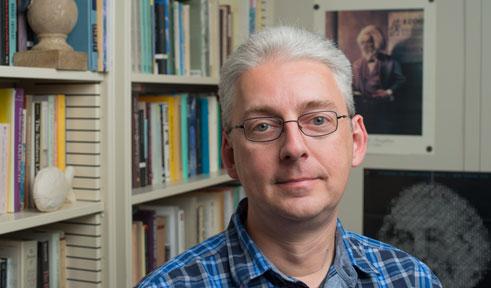
Paul Hurh is an Associate Professor in the Department of Modern Languages at the University of Arizona, where he also serves as Interim Director of Undergraduate Studies (July 1–December 30). His work bridges early American literature, intellectual history, and literary theory, with a focus on American Romanticism and the Gothic tradition.
- Department: Modern Languages
- School: College of Humanities
- University: University of Arizona
- Email: jphurh@arizona.edu
His research centers on affect theory, new materialism, and post-humanism, exploring how Enlightenment thought, media shifts, and philosophical inquiry shape literary expression. He specializes in the works of Edgar Allan Poe and Herman Melville, analyzing themes of terror, cognition, scale, and materiality.
His publications reflect a strong engagement with interdisciplinary scholarship, spanning journals like Nineteenth-Century Literature and Textual Practice, and major scholarly collections. His book American Terror: The Feeling of Thinking in Edwards, Poe, and Melville (2015) examines terror as a mode of philosophical thinking, while his current project Medium Paranoid investigates how mass print media transformed emotional experience in the 19th century.
He regularly teaches courses in literary analysis, American Romanticism, the American Gothic, Poe, Melville, and public writing, contributing to both undergraduate and graduate education. His scholarly output shows a consistent trajectory into the intersections of literature, philosophy, and media, with recent works exploring pessimism, scale, and emergent affect.
Scientific Awards and Honors:
- No awards listed in the provided text.
Advising and Grants:
While no specific students or grants are mentioned, Paul Hurh is actively engaged in academic leadership as Interim Director of Undergraduate Studies. His editorial contributions to major handbooks and scholarly volumes suggest mentorship and collaborative research roles. His ongoing book projects and publications indicate sustained research activity and likely institutional or external funding support.
Labs and Research Teams:
No formal labs or research teams are mentioned. However, his participation in edited collections and interdisciplinary theoretical work suggests collaboration within scholarly networks in American literature, philosophy, and media studies.