معرفی
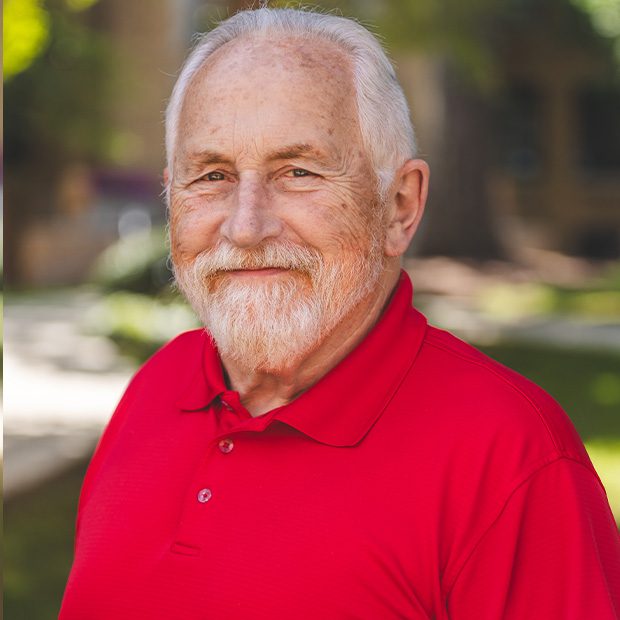
Paul A. Lewis is Professor of Religion and Chair of the Religion Department at Mercer University's College of Liberal Arts and Sciences, where he has served since 2002. His work bridges theological tradition with contemporary ethical challenges through a commitment to practical wisdom and moral formation.
Education
- Ph.D., Duke University
- Th.M., Union Theological Seminary
- M.Div., Golden Gate Baptist Theological Seminary
- B.A., Missouri Western State College
Research Interests
Specializing in theological ethics, Dr. Lewis focuses on moral development, virtue ethics, and practical wisdom within religious frameworks. His research examines how historical traditions inform modern ethical dilemmas, particularly through biblical narrative and wisdom literature. He explores the intersection of erotic attention, trust, and pedagogy in moral formation, while addressing contemporary issues like leadership ethics, political anxiety, and interpretive violence in sacred texts. His approach emphasizes narrative coherence between past wisdom and future-oriented ethical action.
Publication Trends
His recent publications demonstrate consistent engagement with practical theology across multiple formats. Books like Faithful Innovation (2020) establish theoretical frameworks connecting divine rule with Christian wisdom, while journal articles such as The Organ Maker’s Shop (2018) explore pedagogical metaphors. His prolific op-ed output since 2023 shows urgent application of theological ethics to current events—including gun culture, election anxiety, and leadership failures—blending academic rigor with public discourse through outlets like Good Faith Media. The recurring themes reveal a scholar committed to making theological ethics accessible and actionable in volatile cultural contexts.
Scientific Awards
No scientific awards mentioned.
Advising and Grants
While Dr. Lewis serves as department chair and maintains active scholarship, no graduate students, postdoctoral researchers, or external research grants are documented in the provided materials. His institutional leadership role suggests administrative responsibilities that may limit formal advising capacity.
Labs and Teams
No dedicated research laboratories, interdisciplinary teams, or collaborative projects are referenced in the available information. His scholarly output appears primarily individual, though his op-eds indicate engagement with media platforms for broader theological discourse.