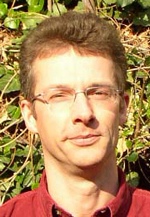
معرفی
Paris C. Avgeriou is a Professor at the University of Groningen, Netherlands, with a distinguished research career focused on software architecture, technical debt management, and architectural decision making. His work bridges theoretical foundations with practical applications in software engineering, particularly in the areas of software quality, self-adaptive systems, and cyber-physical systems. With over 275 publications and nearly 6,000 citations, his research has significantly influenced the software architecture community.
His research interests span multiple critical areas in software engineering:
- Software Architecture and Architectural Knowledge Management
- Technical Debt Management across the software lifecycle
- Architectural Decision Making processes and viewpoints
- Quality Attributes in Software Systems
- Self-Adaptive and Cyber-Physical Systems
- Software Metrics and Measurement
Avgeriou's recent work demonstrates a strong focus on practical applications of software architecture principles, with particular attention to technical debt management automation, architectural decision viewpoints, and the intersection of software architecture with emerging technologies like AI. His publications reveal a consistent pattern of empirical research, systematic literature reviews, and case studies that provide both theoretical contributions and practical guidance for industry practitioners. The research shows increasing emphasis on human-centered approaches to software engineering challenges, particularly in understanding practitioner perspectives on technical debt and architectural decisions.
Among his notable contributions are systematic studies on technical debt management automation, architectural assumption management, and decision-making processes in software architecture. His work on technical debt has been particularly influential, examining various dimensions including lifecycle analysis, self-fixed debt patterns, and the relationship between technical debt principal and interest.
Avgeriou has been actively involved in the software engineering research community, contributing to special issues and editorials that shape research directions in software architecture and technical debt. His recent editorial work demonstrates his commitment to bridging the gap between research and practice in software engineering.