معرفی
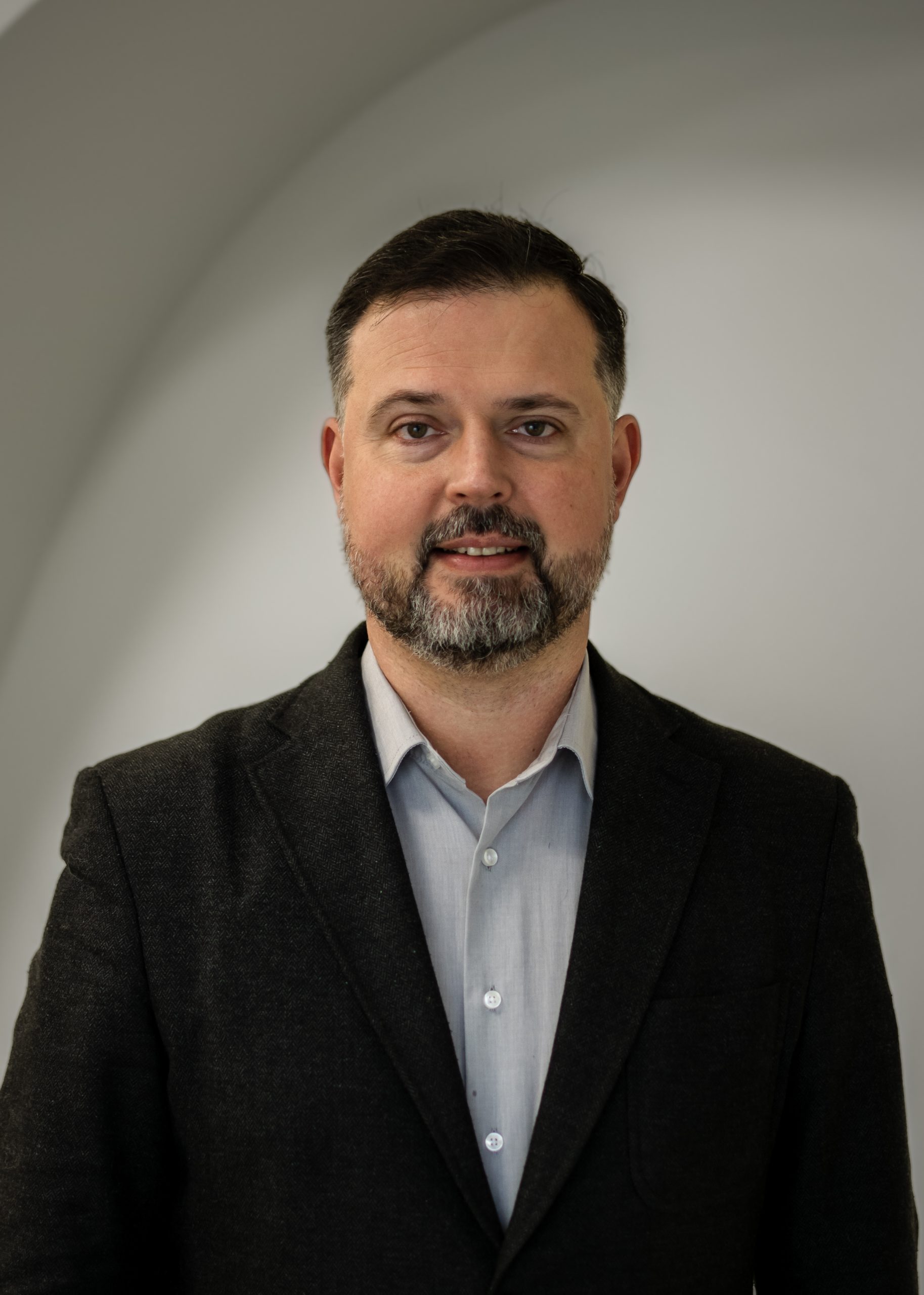
Dr. Ofer Fridman is a Senior Lecturer in War Studies and Director of Operations at the King’s Centre for Strategic Communications (KCSC) within King’s College London’s School of Security Studies. He joined the university in 2016 and holds a PhD from the University of Reading, an MA from Interdisciplinary Centre Herzliya, and a BA from Hebrew University Jerusalem. His research focuses on strategic communications, Russian military thought, and contemporary conflicts, with a particular emphasis on information confrontations involving Russia. He is a member of the Canadian Network on Information and Security (CANIS) and the editorial board of the International Centre for Counter-Terrorism (ICCT).
Dr. Fridman teaches courses such as 'Strategic Communications: Theories & Concepts' and 'Applied Strategic Communications.' He has supervised multiple PhD students as first or second supervisor. His work includes analyzing the Kremlin’s strategic communications, Russian hybrid warfare, and disinformation dynamics. Notable publications include Russian Hybrid Warfare: Resurgence and Politicisation (2022) and Strategiya: The Foundations of the Russian Art of Strategy (2021). He frequently contributes to discussions on Ukraine, the Western Balkans, and global security challenges. His research often explores the intersection of military strategy, information warfare, and geopolitical shifts, with a focus on Russia’s role in modern conflicts.
Key areas of his research include Russian strategic culture, information warfare tactics, and the impact of disinformation on international relations. He has led studies on disinformation in the Western Balkans and advises on counter-disinformation strategies. His recent work, such as Deciphering Russian Enigma (2025), delves into Russian strategic narratives and their global implications. He actively participates in academic events, including symposiums on Russian audiences and geopolitical shifts.
Dr. Fridman’s collaborations include projects with organizations like the European Parliament and the Community of Democracies. He has been cited over 50 times and is involved in policy-oriented research, such as the Counter-FIMI Toolbox for Diplomats. His work bridges academic analysis and practical policy solutions, emphasizing the need for strategic communication frameworks to address modern security challenges.