معرفی
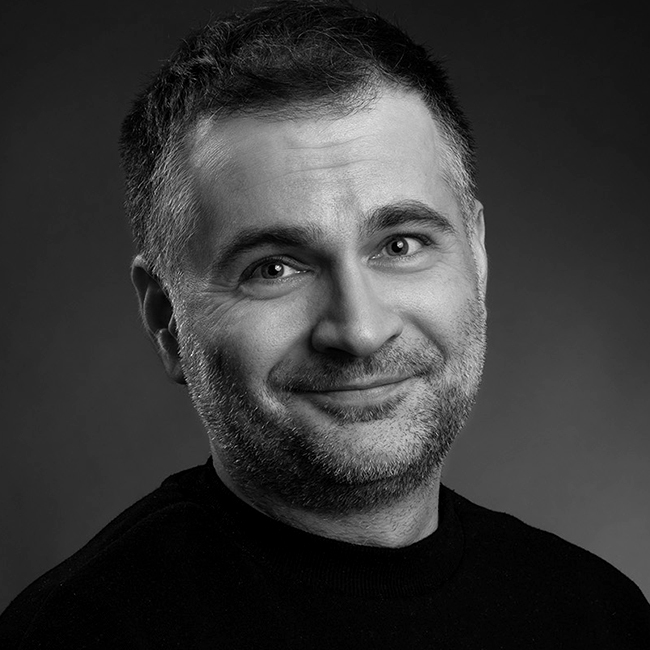
Prof. Dr. Novica Milić serves as a full professor at the Faculty of Media and Communications (FMK), Singidunum University in Belgrade, Serbia. His academic appointments include teaching Renaissance literature and contemporary literary theory at the Faculty of Philology until 2008, followed by media and communication theory at the Faculty of Arts. He has held visiting positions at Yale University, the University of Sheffield, and the University of Vienna, establishing an international scholarly profile.
His educational background features:
- Graduation from the Department of General Literature and Literary Theory, Faculty of Philology, University of Belgrade (1982)
- Master's degree (1987) with thesis "Literary understandings of Paul de Man and the theory of deconstruction"
- Doctorate (2001) with dissertation "Theoretical problems of reading as the basis of modern understanding of literature"
Professor Milić's research critically examines intersections between Communication Theory, Media Theory, Political Theory, and Aesthetics. His work investigates how media shapes democratic processes, analyzes power structures in contemporary art through post-aesthetic frameworks, and explores philosophical underpinnings of communication. With roots in literary deconstruction, his scholarship bridges historical perspectives with current challenges in digital media landscapes, emphasizing the role of critical theory in understanding modern societal transformations.
His recent publications (2020-2024) demonstrate sustained interdisciplinary engagement across democracy studies, political narratology, and post-aesthetic theory. These works reveal consistent thematic threads connecting media philosophy, political communication, and aesthetic critique, particularly examining how digital platforms reshape democratic discourse and how power operates through contemporary art forms. The publications reflect deep integration of literary theory with political philosophy, showing evolution from classical textual analysis toward modern media ecology concerns.
No scientific awards were documented in the available materials.
While specific student advising details and grant information remain unmentioned, his extensive publication record (approximately 100 works) and course development—including advanced seminars on political philosophy and methodology—suggest significant mentorship activities and research leadership within the Faculty of Media and Communications ecosystem.
Though no dedicated laboratories or formal research teams are referenced, his work operates within FMK's interdisciplinary structure encompassing Media and Communications, Digital Arts, and Political Studies departments, indicating collaborative engagement across Singidunum University's academic framework.