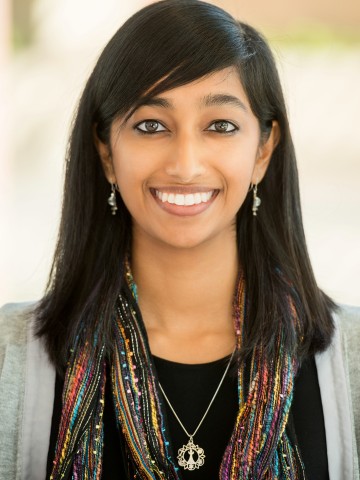
Nicole Alea Albada
استاد آموزشی · Autobiographical Memory
University of California , Santa Barbara (UCSB)معرفی
Nicole Alea Albada is an Associate Teaching Professor in the Department of Psychological and Brain Sciences and Director of Education & Outreach at the Center for Aging and Longevity Studies (CALS) at the University of California, Santa Barbara (UCSB). She leads the TALE Lab, which investigates the functions of autobiographical memory across age and cultural groups, emphasizing its impact on psychosocial well-being. Dr. Albada holds a BS and PhD in Psychology from the University of Florida, with a focus on adult development and aging, complemented by graduate certificates in Gerontology and Social Science Methodology. Her research employs multi-method approaches to explore how cultural and contextual factors shape autobiographical memory sharing and its role in teaching and learning.
Dr. Albada teaches courses on research methods, statistics, and aging, and mentors undergraduate researchers. She advises the UCSB Chapter of Psi Chi (International Honor Society in Psychology) and the Brain Exercise Initiative (BEI), a student-led nonprofit supporting older adults with dementia. Her work bridges academia and public outreach through initiatives like CALS' educational programs and lecture series for older adults. Notably funded by an NRSA Predoctoral Fellowship, she has collaborated internationally, including a decade at the University of the West Indies.
- Education:
- Bachelor of Science in Psychology, University of Florida
- PhD in Developmental Psychology, University of Florida
- Key Roles:
- Director, TALE Lab
- Director, Education & Outreach, CALS
- Lab Members:
- Undergraduate researchers and post-baccalaureate assistants focus on cultural differences in memory, successful aging, and pedagogical storytelling.
Dr. Albada’s research emphasizes positive aging outcomes and the role of personal narratives in education. While no specific grants are detailed in the text, her leadership roles and outreach activities reflect sustained institutional and community engagement.