معرفی
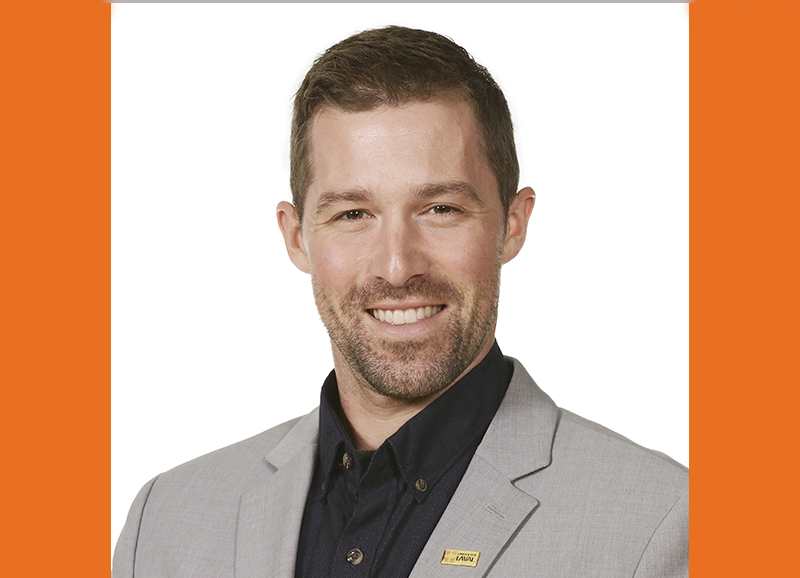
Nicolas Bertrand serves as Associate Professor in the Faculty of Pharmacy at Université Laval, where he teaches core undergraduate pharmacology and pharmaceutical technology courses including PHA-1022, PHA-1023, PHA-1024, and PHA-2071. His research program develops nanomedicine platforms to enhance drug efficacy and safety through advanced vectorization and biomaterial engineering.
Education:
- Bachelor of Pharmacy (B.Pharm.), University of Montreal, 1999-2003
- Master's in Pharmaceutical Sciences (M.Sc.), University of Montreal (supervised by P. Hildgen), 2003-2006
- Ph.D. in Pharmaceutical Sciences, University of Montreal (supervised by JC Leroux), 2006-2011
- Postdoctoral Fellowship, David H Koch Institute for Integrative Cancer Research at MIT (R. Langer), 2011-2015
Research Interests:
Dr. Bertrand's laboratory pioneers nano- and biomaterial systems for pharmaceutical applications, with emphasis on drug delivery mechanisms, physicochemical characterization, and nanopharmacology. His work bridges formulation science with therapeutic safety optimization, particularly in neural, musculoskeletal, and respiratory drug delivery systems.
Scientific Awards:
- 2019 GlaxoSmithKline/CSPS Early Career Award
- 2019 Étoile Effervescence Montréal In Vivo
- 2018-2021 FRQS Chercheur-Boursier Junior 1
- 2011-2014 CIHR Postdoctoral Fellowship
- 2008-2011 FRSQ PhD Scholarship
- 2011 Nycomed/Takeda Magnum Opus Award
- 2011 Gattefossé Canada/CSPS Research Award
- 2010 Pfizer Canada Century Prize
- 2008 McKesson Canada Academic Excellence Award
Advising and Grants:
Actively recruiting Master's and PhD candidates, Dr. Bertrand has secured major competitive funding including CIHR and FRQS fellowships. His research has received industry support from Pfizer, Gattefossé, and Takeda, with current focus on FRQS-funded nanopharmacology projects.
Labs and Teams:
He leads the Value Code Laboratory at Université Laval, featured in three 2015 Radio-Canada interviews discussing nanoparticle decontamination technologies and therapeutic applications. His MIT Koch Institute postdoctoral background informs ongoing collaborations in cancer nanomedicine.