معرفی
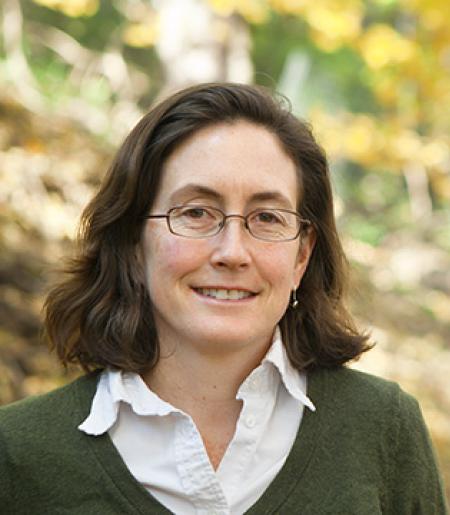
Natalie Raia serves as a Postdoctoral Research Associate II at the University of Arizona's College of Information Science and works as a UX and Community Researcher for the System for Earth and ExtraTerrestrial Sample REgistration (SESAR). Her work focuses on enhancing discoverability, curation, and ethical sharing of scientific sample collections through open science infrastructure development.
Her educational background includes:
- Ph.D. in Earth Sciences (Metamorphic Geology and Tectonics), University of Minnesota-Twin Cities (2023)
- B.S. in Geological Sciences with Special Honors, University of Texas at Austin (2016)
- B.A. in Plan II Liberal Arts Honors, University of Texas at Austin (2016)
Dr. Raia's research integrates geoscience data management with human-centered design principles, specializing in digital archival systems for geomaterials and developing interoperable data standards. With decade-long experience in geochemistry research, she addresses critical friction points in open science ecosystems including persistent identifier implementation, sample-data linkage, and compliance with evolving funder mandates. Her work prioritizes end-user needs while advancing FAIR (Findable, Accessible, Interoperable, Reusable) data principles across scientific disciplines.
Her publications reveal a strong focus on infrastructure gaps in scientific data citation practices. The 2025 study in CODATA's Data Science Journal exposed critical deficiencies in bibliographic tools for dataset citation, while her Nature Scientific Data paper (2025) established best practices for Earth Science sample citation through multi-stakeholder engagement. These works collectively drive standardization in physical sample identification and promote traceable data pathways across the research lifecycle.
Key recognitions include:
- 2023 ESIP Community Fellowship and AGU Voices for Science Fellowship
- NSF GRFP Honorable Mentions (2017, 2019)
- Smithsonian Institution Predoctoral Fellowship (2019)
- AGU Board of Directors election (2024)
She actively shapes science policy through AGU's Digital User Group and data policy committees, while collaborating with publishers, academic societies, and institutions like the Smithsonian to develop sustainable data infrastructure. Her grant-funded work through ESIP and AGU fellowships focuses on community-driven solutions for sample registration systems and metadata standardization.
As part of SESAR's core team, she contributes to developing the global sample identifier ecosystem, working closely with Earth Science Information Partners and the International Geo Sample Number initiative to create interoperable frameworks for physical specimen tracking across repositories and publications.