معرفی
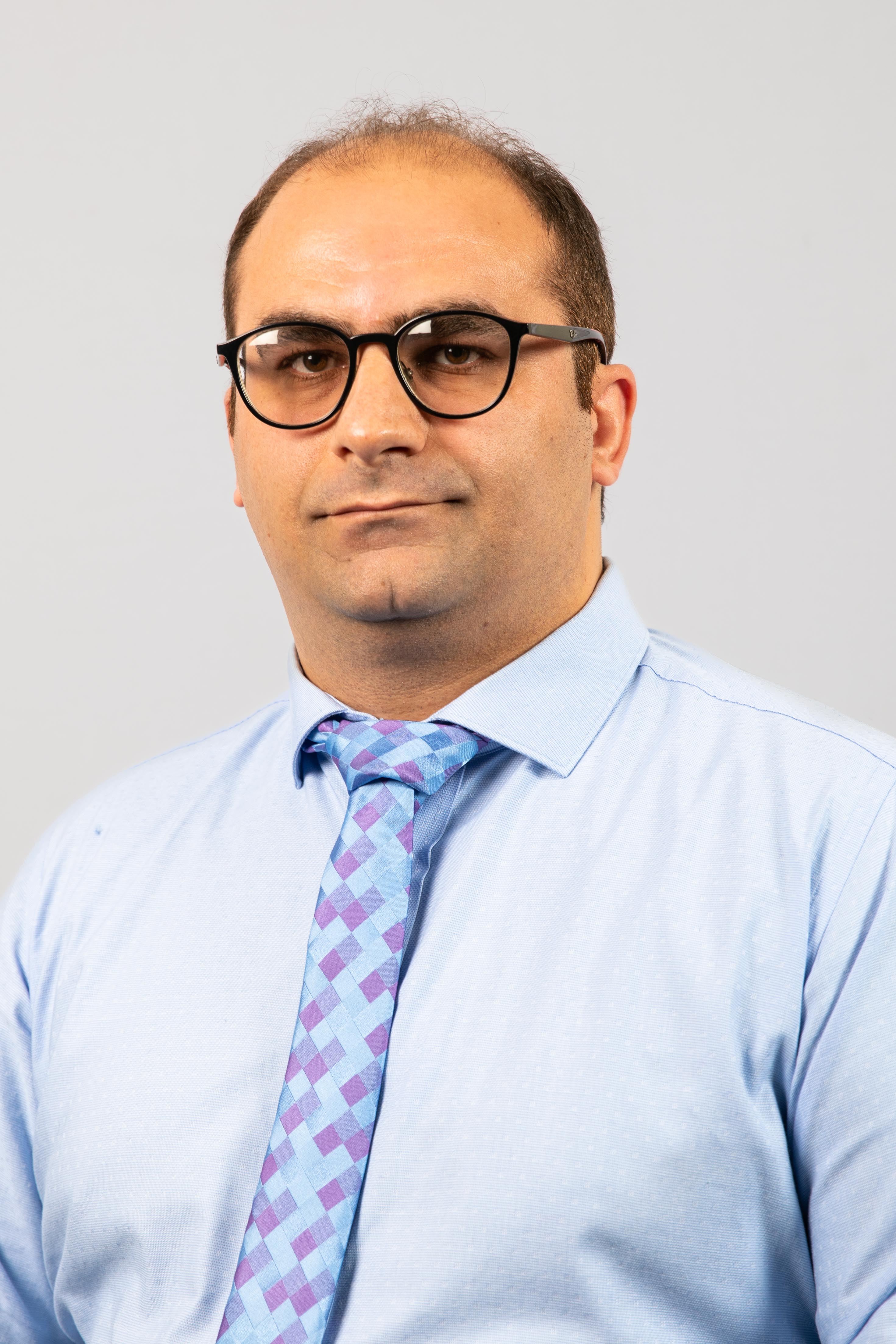
Mostafa Kermani is a Senior Lecturer in Electrical Engineering at the University of Skövde's School of Engineering Science, where he conducts research and teaches courses in advanced electrical engineering. His office is located in room PA110K, and he serves as an Education Course Coordinator for multiple master's level courses in electrical engineering.
- University: University of Skövde
- School: School of Engineering Science
- Department: Electrical Engineering
- Position: Senior Lecturer
Dr. Kermani's research focuses on modern power systems with emphasis on microgrids, smart grid technologies, and renewable energy integration. His work spans several critical areas including vehicle-to-grid/building technologies, underwater wireless power transfer systems, and energy management in port environments. He has developed innovative approaches for power sharing in energy communities and optimization of microgrid operations under uncertainty.
His recent publications demonstrate a clear trend toward practical applications of electrical engineering research, particularly in sustainable energy systems. The research shows strong emphasis on real-world implementation challenges, with numerous studies utilizing the LAMBDA Microgrid testbed. His work bridges theoretical optimization methods with practical engineering solutions for decarbonizing energy systems, particularly in transportation and port infrastructure.
Dr. Kermani is actively involved in multiple significant research projects that address contemporary energy challenges:
- Port Microgrid (Nov 2024 - Nov 2027): Optimizing microgrid design for port environments to improve efficiency and reduce emissions
- Virtual Engineering Helios Energy Hub (Sept 2024 - Aug 2027): Developing commercial smart energy management systems based on SCADA technology
- Next Generation Laboratory Environment (Jul 2023 - Jun 2026): Collaborative development of production processes for electric drivetrains
His research group appears to focus on practical implementation of energy systems, with strong industry connections evident from publications in IEEE Transactions on Industry Applications and collaborations with port authorities and energy companies. The work demonstrates a consistent approach of combining theoretical modeling with real-world validation through laboratory and field testing.