معرفی
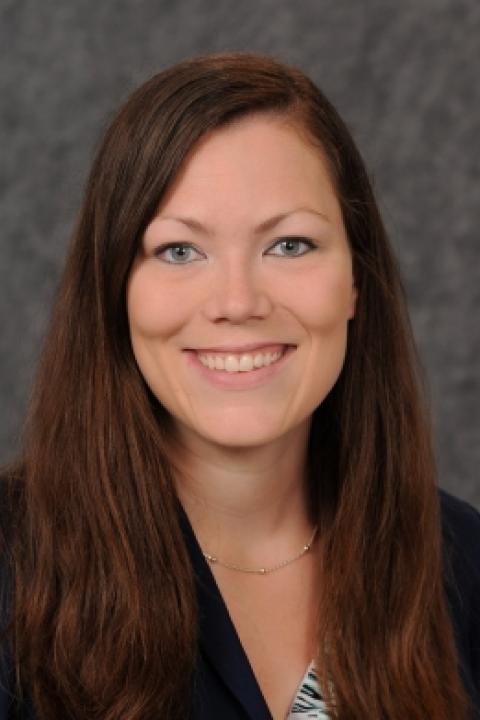
Morgan Thompson serves as an Assistant Professor in the Department of Psychological Sciences at Kent State University's Kent campus, with office space in Kent Hall Annex. Their research program integrates developmental psychopathology and biopsychosocial frameworks to investigate children's socioemotional development within family contexts, emphasizing pathways to both psychopathology risk and adaptive adjustment.
Education:
- Ph.D. in Psychological Sciences, University of Rochester (2022)
Research Program: Dr. Thompson's work centers on three interconnected aims: (1) examining how family dynamics—including interparental conflict, parenting practices, and family instability—shape children's socioemotional trajectories; (2) investigating sleep's mediating role between family environment and child outcomes; and (3) identifying individual (temperament, attention biases) and contextual (SES, neighborhood safety) moderators of developmental pathways. Their methodology employs theory-driven approaches (emotional security theory, family systems theory) with longitudinal designs, multi-informant perspectives (caregivers, children, teachers), and multi-method assessments including observational coding, narrative analysis, and eye-tracking technology.
Publication Trends: Analysis of 10 recent publications (2022-2025) reveals consistent focus on interparental conflict mechanisms, sleep-family interactions, and developmental pathways to psychopathology. Key contributions include meta-analytic reviews of parent-child boundary dissolution, longitudinal examinations of harsh parenting legacies, and innovative studies on economic stressors' impact on adolescent sleep. The work demonstrates methodological sophistication through integration of behavioral observation, physiological measures, and multi-wave longitudinal designs across diverse samples.
Awards: No scientific awards were documented in the provided materials.
Academic Service: Departmental records indicate Dr. Thompson may recruit doctoral students for the 2025-2026 academic year, though specific advising details and grant funding information remain undisclosed in available documentation.