معرفی
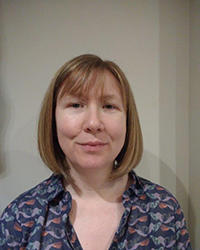
Professor Molly Courtenay is a distinguished academic at the University of Reading, holding the rank of Professor with a prolific research career focused on advancing nurse prescribing practices and optimizing healthcare delivery systems. Her work centers on evaluating the impact of non-medical prescribers—particularly nurses—in managing chronic conditions like diabetes and pain, while developing evidence-based interventions to improve prescribing safety and effectiveness across primary and secondary care settings in the UK healthcare system.
Her research interests span nurse prescribing methodologies, antibiotic stewardship in community settings, diabetes care optimization, pain management protocols, and the development of educational frameworks for prescriber training. She has pioneered national surveys and mixed-methods studies examining how interprofessional relationships, legislative frameworks, and electronic learning tools influence prescribing behaviors, with consistent emphasis on patient safety, medication completeness, and healthcare access equity. Her work frequently addresses systemic challenges in expanding nursing roles within complex clinical environments.
Analysis of her 15 most recent publications (2007-2025) reveals a strategic evolution from foundational national surveys on prescribing practices toward sophisticated intervention studies, particularly in antibiotic stewardship. Dominant themes include feasibility testing of electronic learning modules for prescribers, comparative analysis of independent versus supplementary prescribing models, and condition-specific evaluations in dermatology, diabetes, and pain management. Her collaborative approach—frequently partnering with Carey, Stenner, and Lim—demonstrates interdisciplinary rigor through mixed-methods designs, national sampling, and practical implementation frameworks that bridge academic research with frontline clinical practice.
While the source text extensively documents Professor Courtenay's scholarly contributions through 20 publications, it does not reference any scientific awards, fellowships, or medals she may have received during her career.
Information regarding her mentorship of graduate students, details of grant funding secured for her research programs, or specific roles in academic advising committees is absent from the provided materials, though her publications indicate active involvement in prescriber education through curriculum development and student assessment frameworks.
No affiliations with specialized research laboratories, clinical trial units, or formal research teams are described in the source text, though her national survey methodologies imply coordination with healthcare institutions across the UK for data collection and implementation studies.