معرفی
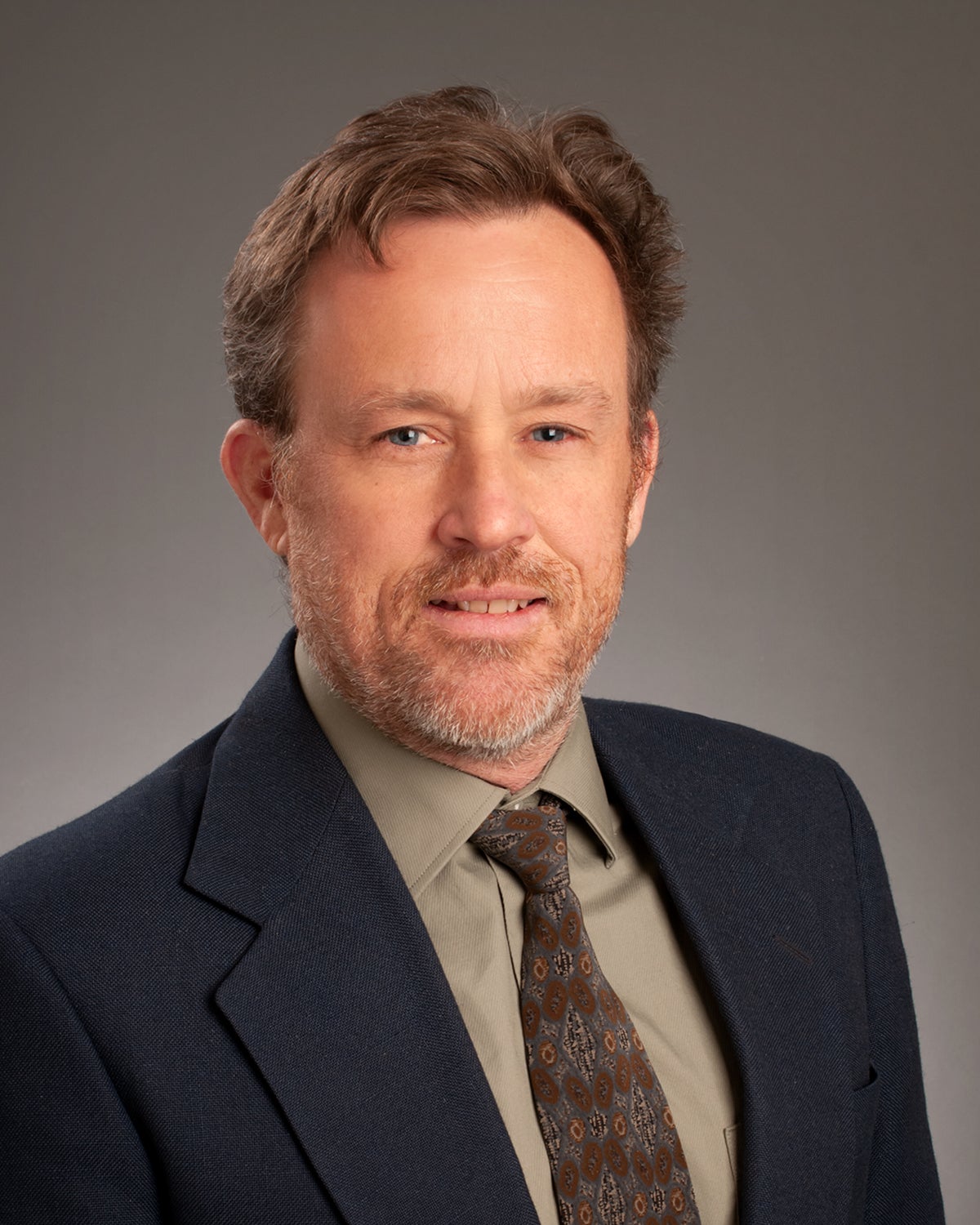
Mojtaba Sadegh serves as Associate Professor in the Department of Civil Engineering within Boise State University's College of Engineering, maintaining an active research program from his office in ERB 4147 (contact: (208) 426-3774, mojtabasadegh@boisestate.edu). His academic profile bridges hydrological systems analysis with emerging climate-driven fire dynamics, reflecting institutional alignment with environmental engineering priorities.
Dr. Sadegh's research portfolio demonstrates methodological versatility across water resources management, statistical hydrology, and climate change impacts. Initial work applied game theory to water transfer conflicts in politically contested basins, while recent efforts examine non-stationarity in hydrological systems, flow duration curve modeling, and drought prediction frameworks. His current focus centers on water-energy-food (WEF) nexus modeling, food waste impacts on resource security, and hydroclimate extremes affecting human health. This evolution is mirrored in his publication trajectory, which increasingly integrates machine learning with physical environmental processes.
Analysis of his 15 most recent publications (2025) reveals three dominant research streams: wildfire science (70% of output), machine learning applications in environmental systems (20%), and socio-ecological vulnerability (10%). The wildfire studies emphasize predictive modeling of fire spread, fuel treatment efficacy, and human exposure patterns, while machine learning work features novel architectures like Kolmogorov-Arnold networks for flood mapping and bias correction in seasonal forecasts. A consistent thread examines disproportionate impacts on vulnerable populations, particularly regarding fire exposure and water stress.
Dr. Sadegh actively mentors graduate students through his NSF S-STEM grant (BOARD# 450), specifically addressing barriers for low-income, first-generation, and rural STEM graduate students. His research receives external funding focused on climate adaptation and resource security, though specific grant mechanisms beyond S-STEM remain undocumented in available materials. The absence of laboratory or team descriptions suggests primarily computational and theoretical research approaches.