معرفی
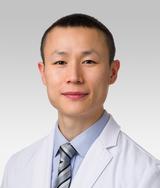
Mohsen Khadem serves as a Reader in Robotics at the School of Informatics, University of Edinburgh, where he directs the Surgical and Interventional Robotics Group. He holds dual affiliations with the Institute for Perception, Action and Behaviour and the Center for Inflammation Research and the Institute of Regeneration and Repair. As a UKRI Future Leaders Fellow, his work bridges engineering and clinical medicine through the development of advanced robotic systems for surgical interventions.
His research focuses on continuum robotics with primary applications in surgical and interventional robotics. Key areas include surgical robotics and image-guided therapies, computer vision and medical image processing, mechanics-based modeling and simulation, and applications of control theory in robotics. Khadem's approach emphasizes solving clinical problems first, working closely with surgeons to develop appropriate robotic solutions, whether new hardware designs or novel algorithms.
His recent publications demonstrate a strong trajectory toward medical robotics applications, particularly in bronchoscopy navigation and surgical skill assessment. The work combines computer vision techniques with robotic control systems to address clinical challenges in minimally invasive procedures, showing increasing sophistication in both image processing and robotic manipulation capabilities.
- UKRI Future Leaders Fellow
Khadem actively supervises multiple PhD students including Balint Thamo (focusing on concentric tube robots), Emile Makute (specializing in machine learning for continuum robots), Alex Adams (working on spectroscopy for cancer diagnosis), and Zhaoxing Deng (researching surgical skill assessment). His major projects include leading the Cyber-Physical System for Unified Diagnosis and Treatment of Lung Diseases and participating in the EPSRC-funded MicroTex research hub.
Based at the Bayes Centre and IRR South facilities, Khadem's Surgical and Interventional Robotics Group operates as a cross-institutional research team with strong connections to clinical partners. The lab focuses on developing therapeutic and diagnostic robotic instruments through close collaboration with surgeons and clinicians to identify optimal solutions for specific medical challenges.