معرفی
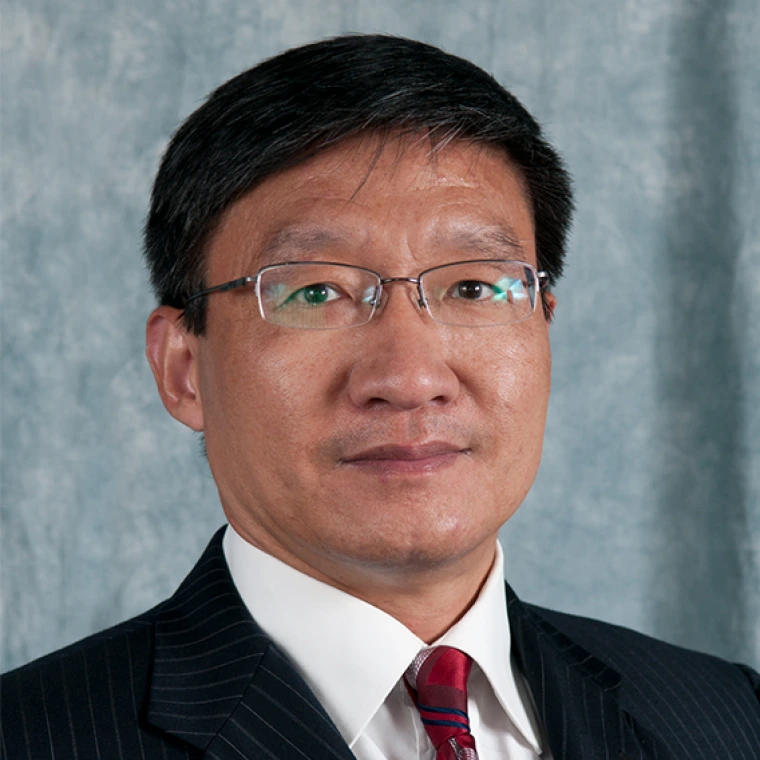
Mikhail Ivonchyk serves as an Assistant Professor in the Department of Public Administration and Policy at Rockefeller College of Public Affairs and Policy, University at Albany, State University of New York. His academic office is located in 308 Milne Hall, and he maintains professional correspondence through mivonchyk@albany.edu. Dr. Ivonchyk contributes to graduate education by teaching specialized courses in financial management, data analytics, and decision modeling within the college's academic framework.
His formal education includes:
- PhD in Public Administration and Policy from the University of Georgia
- LL.M. from the University of Georgia School of Law
- LL.M. from Belarusian State University
Dr. Ivonchyk's scholarly work centers on public finance mechanisms, debt management strategies, fiscal policy formulation, budgetary processes, and agenda-setting dynamics in governmental contexts. His research examines how public entities navigate financial constraints, allocate resources during crises, and implement evidence-based fiscal decisions. Recent investigations address opioid-related fiscal pressures, AI integration in public administration, and pandemic-era budget adaptations, reflecting his commitment to contemporary governance challenges.
Analysis of his 15 most recent publications (2022-2025) reveals three dominant research trajectories: (1) Local fiscal responses to health emergencies and policy shocks, (2) Technological innovations in budgetary transparency and reporting, and (3) Cross-jurisdictional comparisons of debt management practices. His methodological approach combines causal inference techniques, computational text analysis, and meta-analytical frameworks to advance public budgeting theory.
No scientific awards or major honors are documented in available sources.
Information regarding graduate student mentorship or external research funding remains unspecified in current public profiles. Dr. Ivonchyk's scholarly impact is primarily disseminated through peer-reviewed publications rather than grant-supported projects or supervised theses.
Research infrastructure details including laboratories, dedicated teams, or specialized centers associated with his work are not referenced in institutional materials.