Mike Koenigs
استاد · Mental Health in Incarcerated Populations
University of Wisconsin-Madisonمعرفی
Dr. Mike Koenigs is a Professor in the Department of Psychiatry at the University of Wisconsin–Madison, where he leads the Incarceration & Mental Health Lab. His research focuses on improving mental healthcare and well-being for currently and formerly incarcerated individuals through community engagement, intervention development, and clinical trials. He collaborates extensively with the Wisconsin Department of Corrections and individuals with lived incarceration experience.
- University: University of Wisconsin–Madison
- School: School of Medicine and Public Health
- Department: Department of Psychiatry
- Academic Rank: Professor
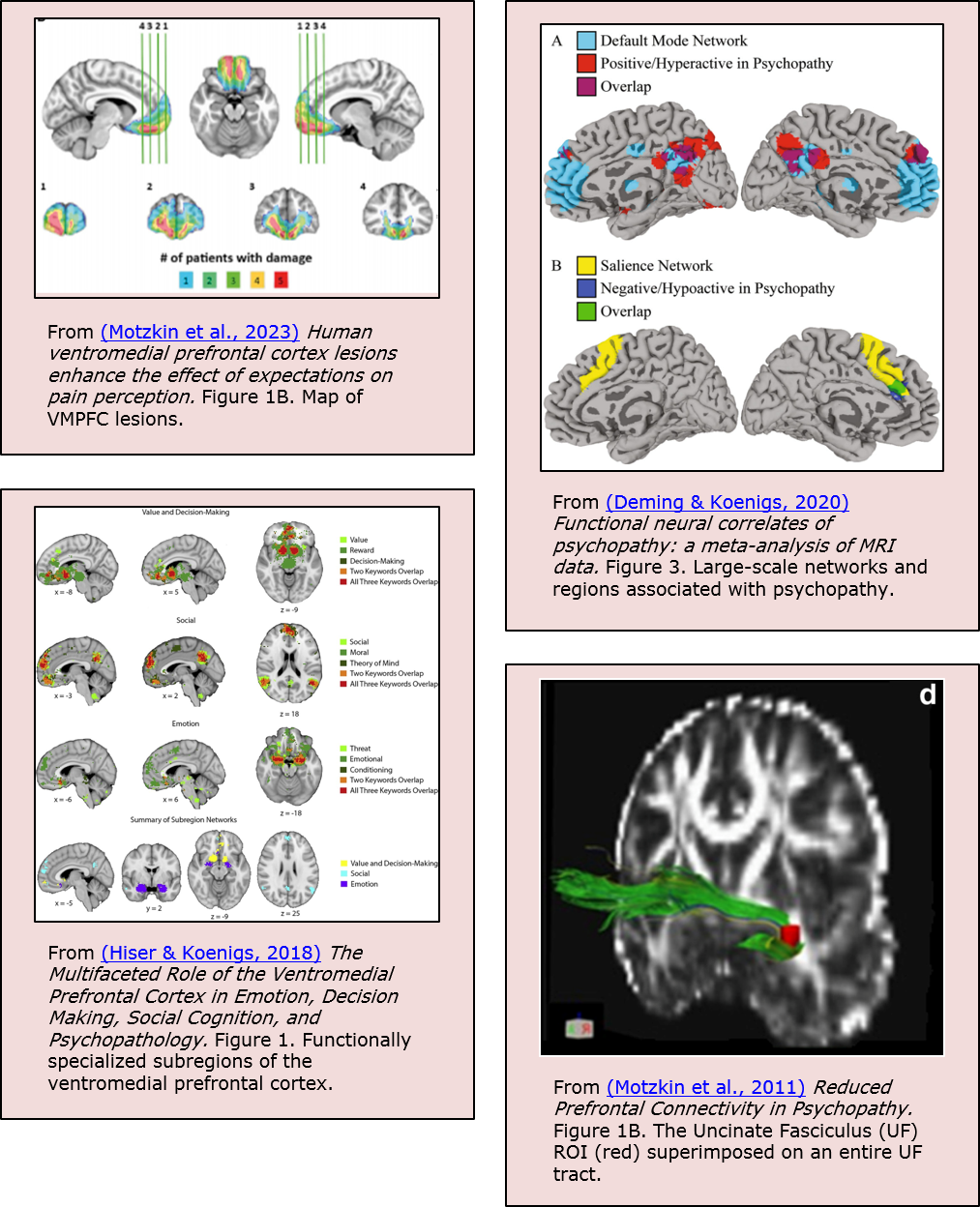
Dr. Koenigs' research integrates neuroscience, clinical psychology, and community-based methodologies. His work explores emotion processing, decision-making, psychopathy, and trauma in forensic populations. He employs fMRI, lesion studies, and behavioral assessments to understand the neurobiological underpinnings of psychopathology. His lab also conducts clinical trials of psychotherapies such as Cognitive Processing Therapy (CPT) within prison settings.
His recent publications (2020–2025) show a strong focus on psychopathy, neural correlates of emotion, community-academic partnerships, and mental health interventions in incarcerated populations. Key trends include the use of machine learning in recidivism prediction, functional connectivity in psychopathy, and the role of lived experience in research design.
Dr. Koenigs mentors graduate students through both the Clinical Psychology and Individualized Graduate Major (IGM) PhD tracks. He values qualities such as empathy, collegiality, and commitment to marginalized populations in his advisees.
He has advised numerous PhD and master’s students, including Mickela Heilicher, Tatiana Ray, Phil Deming, and Julian Motzkin, among others.
His lab emphasizes community engagement, partnering with peer specialists and advisory boards composed of formerly incarcerated individuals to co-develop and co-lead mental health interventions.