معرفی
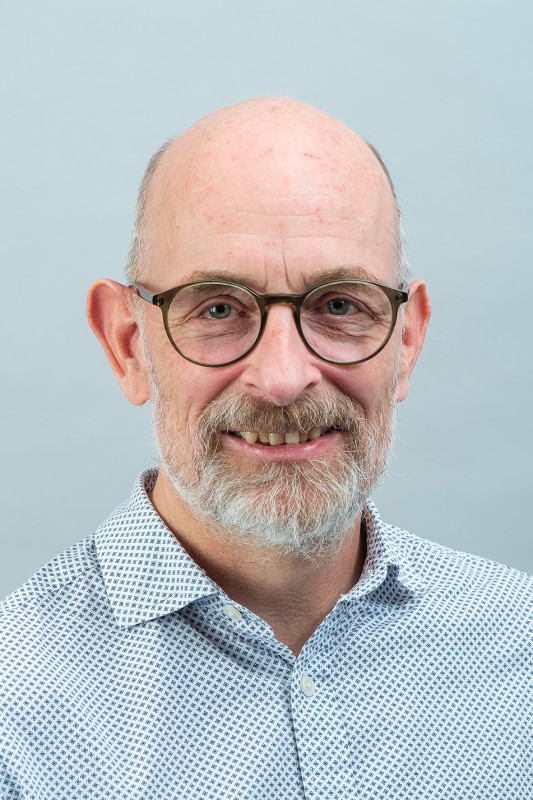
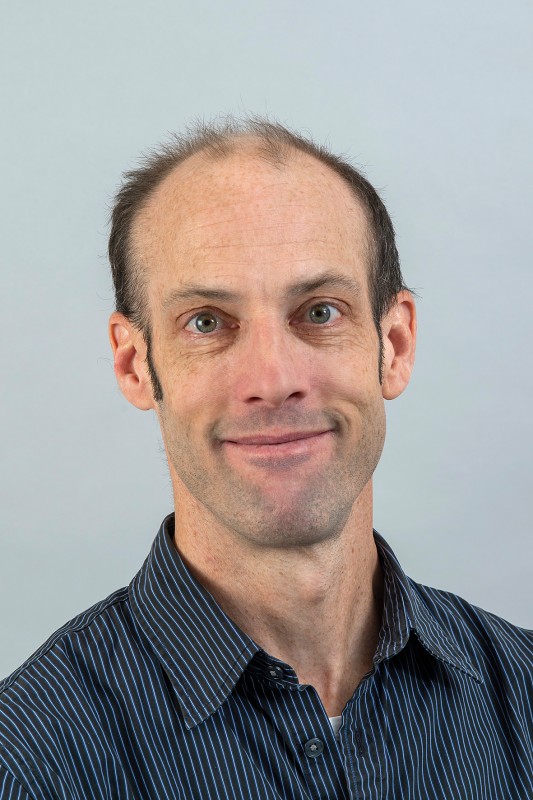
Dr. Michele Masseroni is a researcher at ETH Zurich's Department of Physics, based at the Laboratory for Solid State Physics (Laboratorium für Festkörperphysik) in Zürich, Switzerland. His active institutional affiliation is evidenced by current contact details including work phone (+41 44 633 28 36) and email (masmiche@phys.ethz.ch), with his work situated within the Professorship for Experimental Physics.
His research specializes in experimental condensed matter physics with emphasis on quantum transport phenomena in two-dimensional materials. Key focus areas include spin-orbit coupling in bilayer graphene heterostructures, valley physics, quantum dot spectroscopy, and gate-tunable electronic properties of transition metal dichalcogenides. His experimental approach combines nanofabrication techniques with low-temperature transport measurements to investigate fundamental quantum phenomena.
Analysis of his publication record (2019-2025) reveals consistent advancement in quantum device engineering, particularly in bilayer graphene/WSe2 and MoS2 heterostructures. His work demonstrates expertise in entropy spectroscopy, spin-valley protected states, and dipole coupling to microwave resonators, with direct relevance to quantum computing and spintronic applications. The research trajectory shows increasing sophistication in controlling spin-valley degrees of freedom for potential qubit implementations.
Scientific Awards:
- No scientific awards mentioned in available sources
Advising and Grants:
Available documentation provides no information regarding graduate student mentorship, research grants, or funded projects. His institutional role appears focused on core research activities within the Laboratory for Solid State Physics framework.
Laboratory Affiliation:
Dr. Masseroni operates within ETH Zurich's Laboratory for Solid State Physics (Laboratorium für Festkörperphysik), a leading European facility for condensed matter research. This laboratory specializes in quantum materials characterization, nanofabrication, and low-temperature physics, providing the infrastructure for his experimental work on 2D material heterostructures and quantum devices.