معرفی
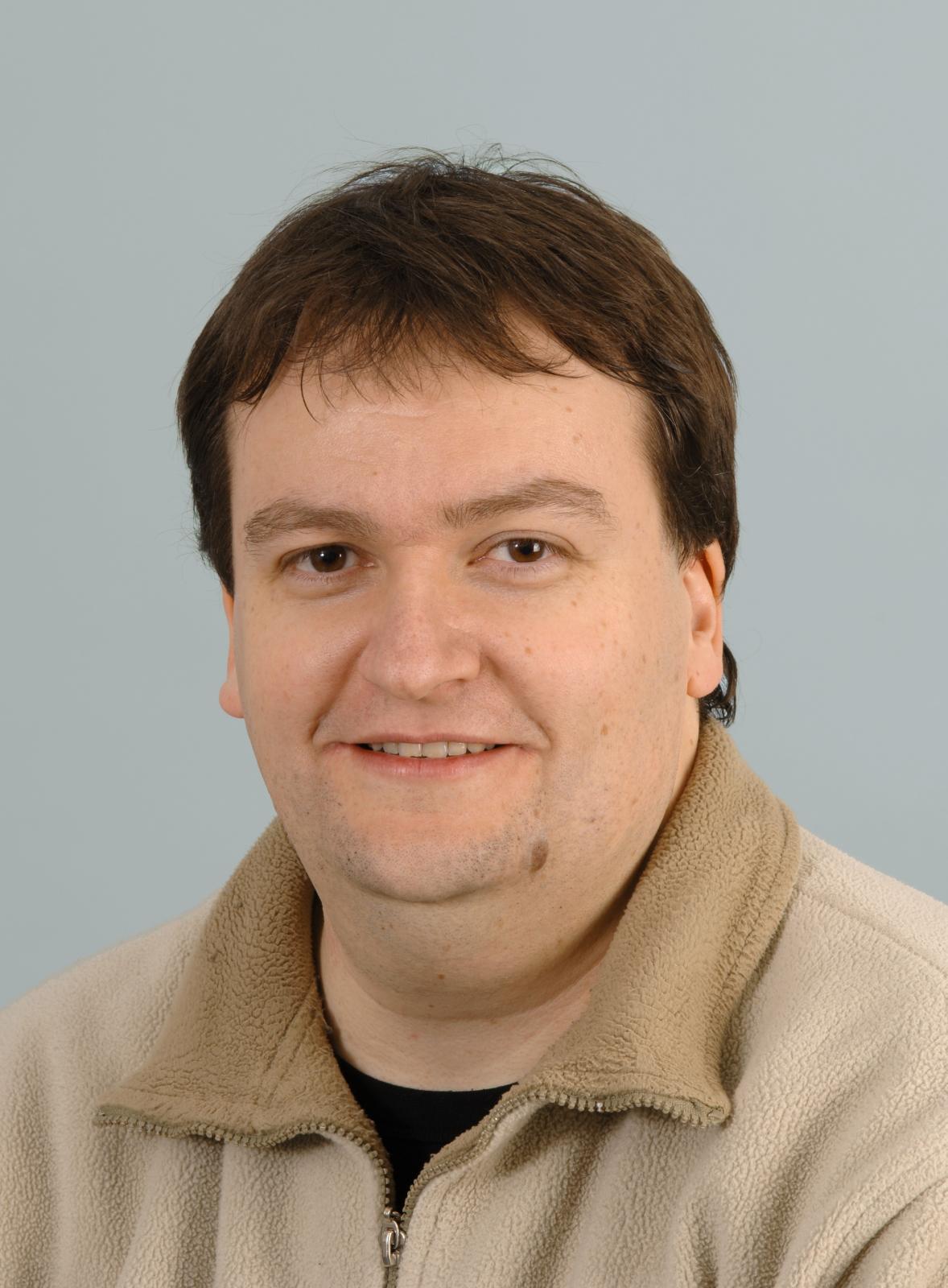
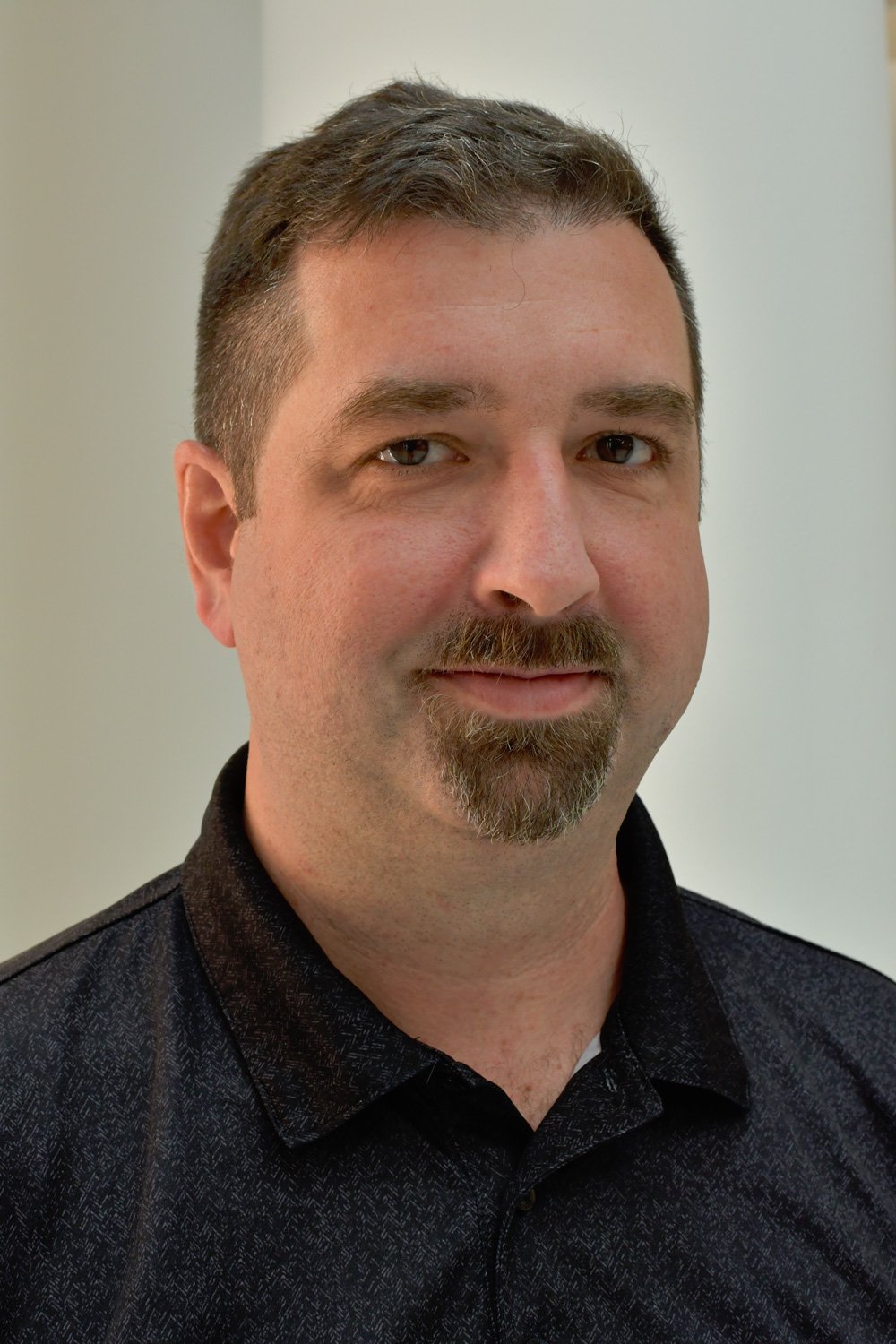
Michael Wilking is a Professor in the School of Physics and Astronomy at the University of Minnesota, where he maintains an active research program in experimental particle physics. His work is centered at the forefront of neutrino physics, with significant contributions to major international collaborations including the Deep Underground Neutrino Experiment (DUNE), T2K experiment, Super-Kamiokande, and Theia (Large Water-based Liquid Scintillator Detector).
Wilking's research focuses on precision measurements of the fundamental parameters of the standard model of particle physics and searches for new physics beyond the standard model. His work specifically targets CP violation in the lepton sector (neutrinos and electron-like charged leptons), which would constitute evidence for the last unknown parameter of the "neutrino-enhanced" standard model. His research program spans experimental design, data analysis, and theoretical interpretation, with particular emphasis on neutrino oscillations and matter-antimatter asymmetry.
Analysis of Wilking's recent publications reveals a strong concentration on neutrino oscillation measurements using both atmospheric and accelerator neutrinos, detector development for next-generation experiments, supernova detection systems, and precision measurement techniques. His work demonstrates consistent focus on advancing our understanding of neutrino properties and searching for physics beyond the standard model through increasingly sophisticated experimental approaches.
As a principal investigator, Wilking leads multiple research projects funded by the U.S. Department of Energy and Fermilab, including The Origin of Matter: Breaking Ground with Theia and various components of the Deep Underground Neutrino Experiment. His projects demonstrate both theoretical depth and practical experimental expertise in large-scale particle physics research.
Wilking is actively mentoring both undergraduate and graduate research students in experimental particle physics, with his website explicitly noting that he is "Accepting new undergraduate research students" and "Accepting new graduate research students." His research group is part of the Experimental Particle Physics group at the University of Minnesota, contributing to the training of the next generation of physicists through hands-on research experience with cutting-edge detector technology and data analysis techniques.