معرفی
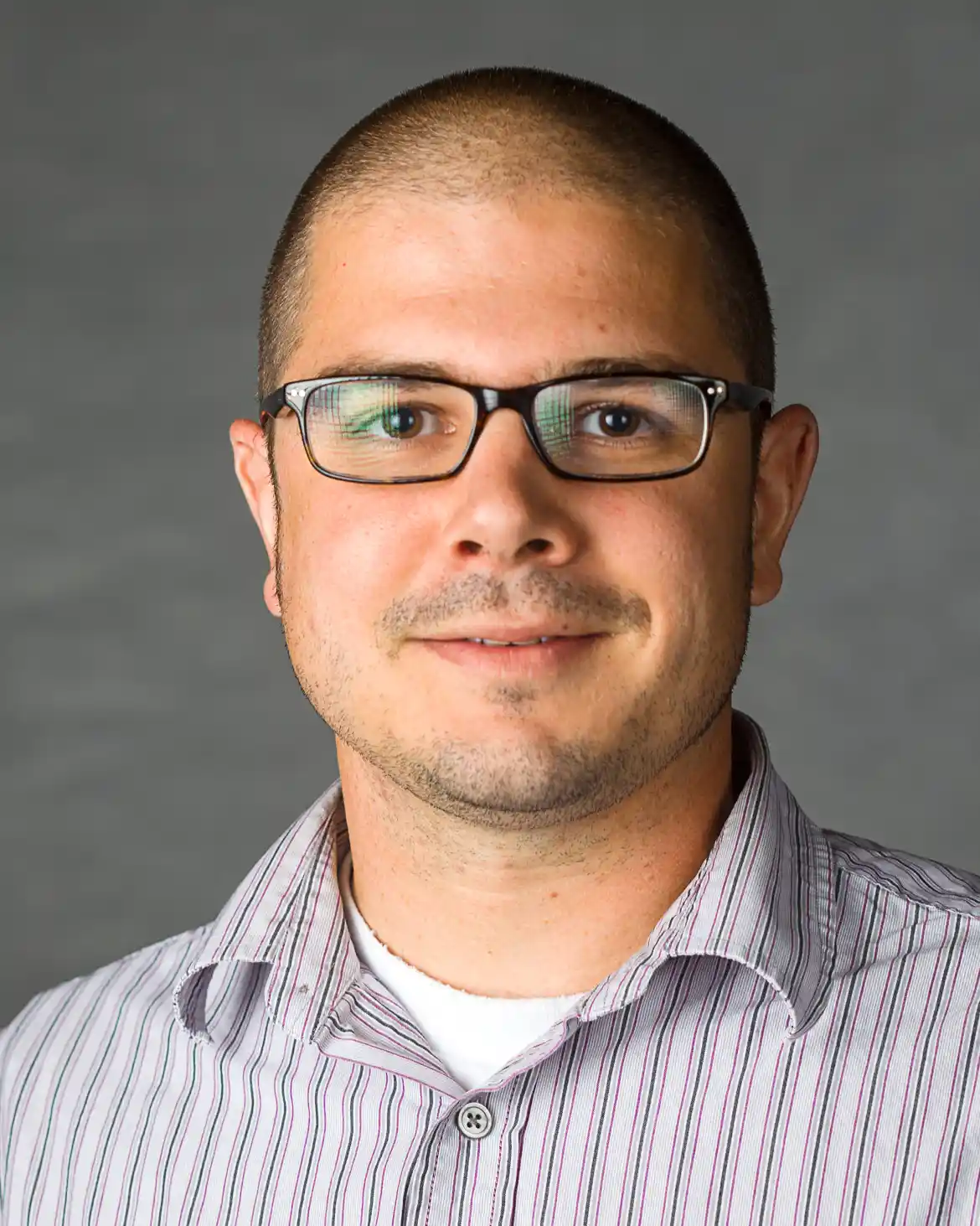
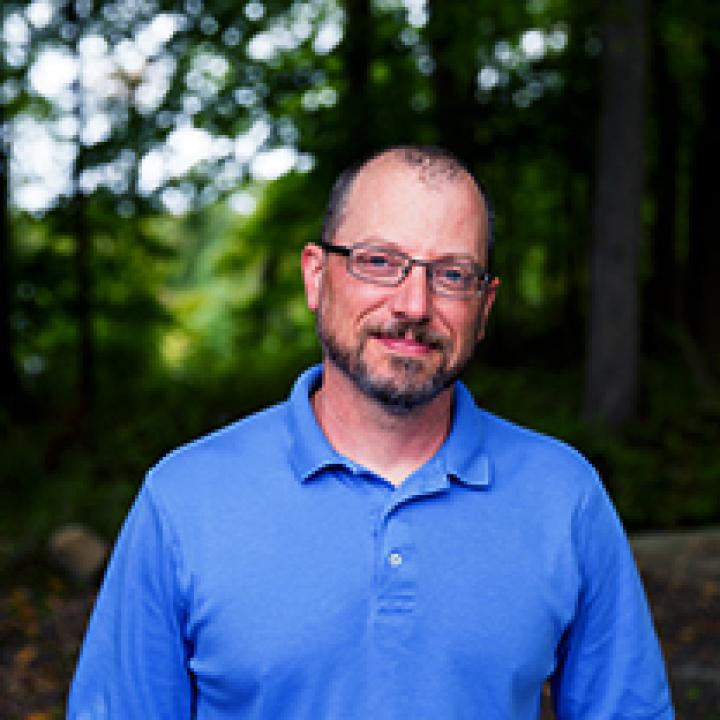
Michael Rubbo is a Clinical Professor in the Department of Environmental Studies and Sciences at Dyson College of Arts and Sciences, Pace University, where he conducts research and teaches in environmental science and conservation biology. He is based at the Dyson Environmental House in Westchester, NY, and maintains active office hours.
- PhD in Biology, Pennsylvania State University (2004)
- MS in Biology, University of Louisiana at Lafayette (2000)
- BS in Environmental Biology, SUNY College of Environmental Science and Forestry (1995)
His research centers on conservation biology, particularly the ecology of suburban and urban ecosystems, with a focus on reptiles and amphibians, wetlands, disease ecology, and human-wildlife interactions. He studies how land development affects wildlife and how natural systems like wetlands can mitigate public health risks such as mosquito-borne diseases. His work bridges field ecology with environmental policy and education.
The publications listed span from 2004 to 2012 and reflect a consistent focus on aquatic and terrestrial ecosystem dynamics, particularly in temporary forest ponds and urban landscapes. These works explore themes such as leaf litter decomposition, species interactions, carbon subsidies, amphibian breeding behavior, and the role of wetlands in disease control. Collectively, they highlight an integrative approach to ecosystem ecology, linking biodiversity, community structure, and ecosystem function in human-impacted environments.
Dr. Rubbo has taught numerous courses including Fundamentals of Environmental Science, Ecology of Freshwater Ecosystems, Field Studies in Natural History, and Environmental Project Design. He mentors students through research (ENS 792, ENS 793), senior experiences, internships, and thesis preparation, fostering hands-on learning in environmental science.
He is actively engaged in research and fieldwork, particularly in the Hudson Valley region, and contributes to environmental education and interpretation. While no formal lab or research team is named, his collaborative publications suggest strong ties with researchers at institutions such as Penn State and involvement in field-based ecological experiments.