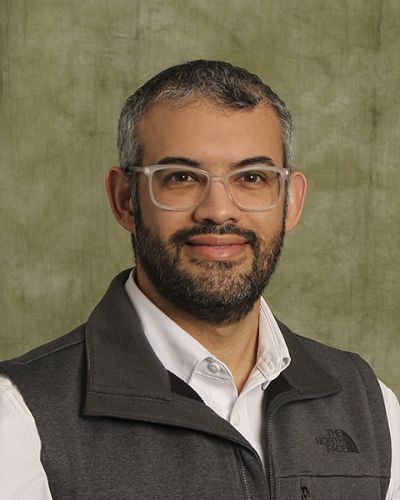
Michael Nizhnikov
دانشیار · Behavioral Neuroscience
Southern Connecticut State Universityمعرفی
Michael Nizhnikov serves as Chairperson and Associate Professor in the Department of Psychology at Southern Connecticut State University, where he leads academic initiatives while maintaining an active research program in behavioral neuroscience. His institutional affiliation reflects deep integration within the university's academic structure, with primary responsibilities spanning departmental leadership and specialized instruction in psychological sciences.
Dr. Nizhnikov's research program centers on the transgenerational and developmental neurobehavioral consequences of ethanol exposure, utilizing sophisticated rodent models to investigate critical questions across the lifespan. His work systematically examines how prenatal and early-life alcohol exposure alters behavioral phenotypes, with particular emphasis on transgenerational epigenetic mechanisms, stress interactions, and opioid system involvement in ethanol reinforcement. Key investigations span anxiety-like behaviors, ethanol consumption patterns, cognitive performance, and neurotoxic outcomes across developmental stages from infancy through adulthood, demonstrating rigorous methodological approaches including genetic strain comparisons and pharmacological interventions.
Analysis of his 15 most recent publications (2015-2021) reveals a cohesive research trajectory focused on transgenerational transmission of ethanol effects, age-dependent neurobehavioral vulnerabilities, and reinforcement mechanisms. The predominant themes include paternal/maternal lineage contributions to fetal alcohol spectrum disorders, strain-specific programming effects, and critical interactions between stress and ethanol exposure across developmental windows. Methodologically, his work consistently employs rat models across infancy, adolescence, and adulthood to examine ethanol intake, anxiety responses, and cognitive performance using elevated plus maze, T-maze, and operant self-administration paradigms, with growing emphasis on kappa and mu opioid receptor mechanisms.
No scientific awards were documented in the source materials. Information regarding student advising responsibilities, research grants, laboratory infrastructure, or collaborative teams was not provided in the available institutional profile or publication records.