معرفی
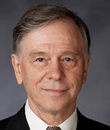
Michael Hviid Jacobsen is a Full Professor in the Department of Sociology and Social Work at Aalborg University, Faculty of Social Sciences and Humanities. He is a leading figure in contemporary sociology, with a strong focus on social theory, emotions, death and dying, and qualitative research methodology. He leads the research initiative SAGA (Sociological Analysis – General and Applied) and is actively involved in multiple research projects such as 'Exploring Emotions' and 'Nostalgia.'
His research interests span a wide range of sociological themes, including the works of key theorists like Erving Goffman, Zygmunt Bauman, Norbert Elias, and C. Wright Mills. He has extensively explored topics such as modernity, postmodernity, ethics, palliative care, nostalgia, and utopia. His methodological expertise lies in qualitative and exploratory research, where he emphasizes reflexivity and emotional engagement.
The recent publications of Michael Hviid Jacobsen reflect a consistent and deep engagement with sociological theory and contemporary social issues. His work trends toward the intersection of emotion, culture, and social change, particularly in how modern and postmodern societies handle death, identity, and moral dilemmas. Keywords across his recent articles include sociology, social theory, emotions, qualitative methods, and cultural analysis, with sub-fields such as death studies, alienation, nostalgia, and ethical research practices.
Michael Hviid Jacobsen has served in significant academic roles, including as editor of Acta Sociologica and as a series editor for Syddansk Universitetsforlag. He also engages in peer review and editorial work, contributing to the scholarly community. While no formal scientific awards are listed, his editorial leadership and public intellectual presence are notable.
He is actively involved in PhD supervision, with a record of mentoring doctoral students, and contributes to public discourse through frequent media appearances and public lectures. His work aligns with UN Sustainable Development Goals related to well-being, inequality, and sustainable communities. He is not involved in any clinical or part-time roles and remains a full-time, active academic.
He is associated with research groups such as the Sociological Laboratory and has collaborated on long-term projects examining welfare and labor societies. His intellectual network is broad, with thematic connections to discourse, society, history, and contemporary social conditions.