معرفی
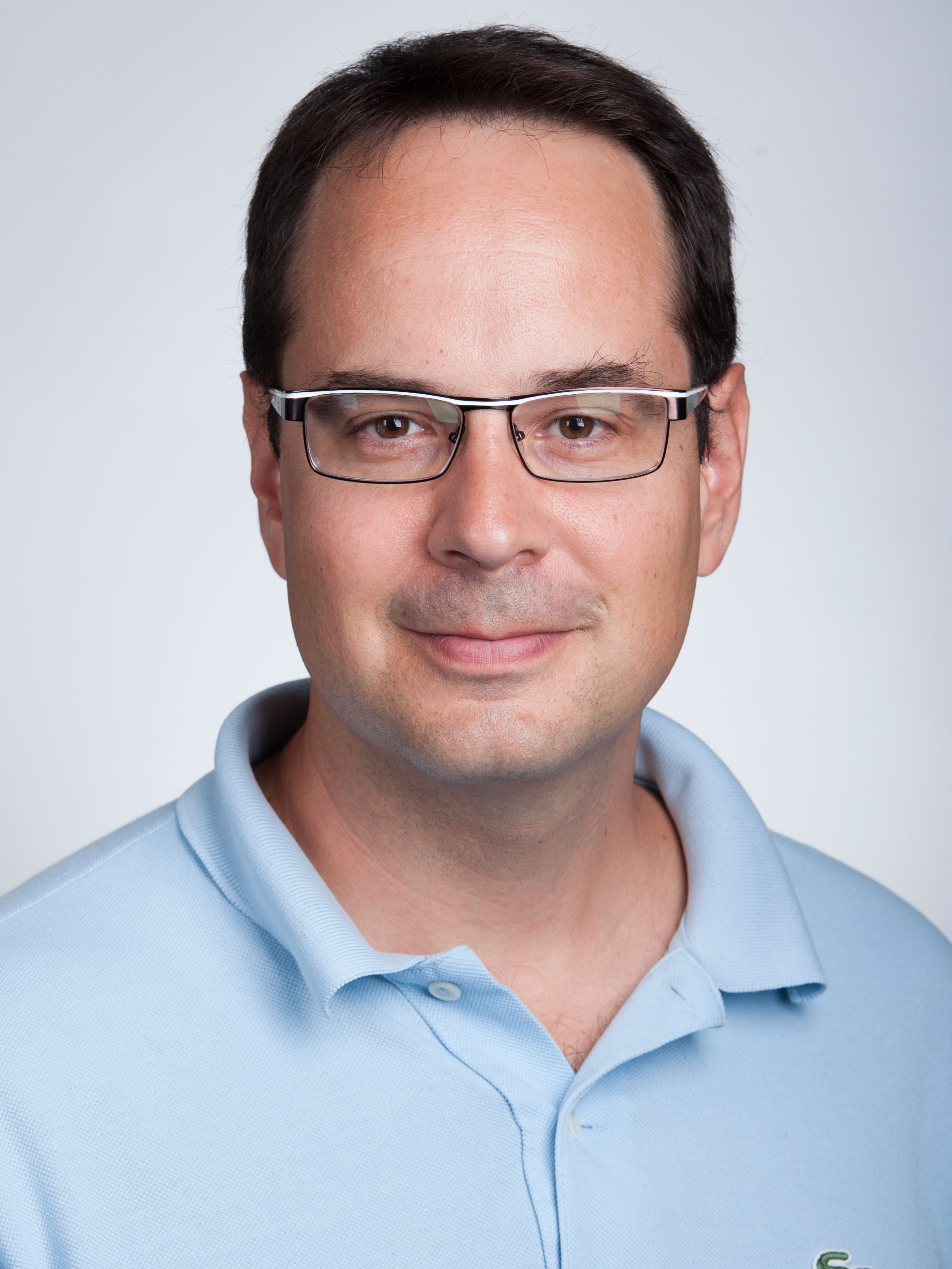
Michael Falk is a Professor of Materials Science and Engineering, Mechanical Engineering, and Physics at Johns Hopkins University (JHU), and serves as Vice Dean for Undergraduate Education at the Whiting School of Engineering. He leads initiatives to enhance undergraduate education, curriculum development, and student mentorship. Falk holds a B.S. in Physics (1990) and M.S. in Computer Science (1991) from JHU, followed by a Ph.D. in Physics from the University of California, Santa Barbara. His academic career spans roles at the University of Michigan (2000–2008) and his return to JHU in 2008.
Research Interests: Falk’s work focuses on computational materials science, simulating atomic-scale processes in materials undergoing mechanical stress, friction, or thermal changes. Key areas include amorphous/glass materials, metallic glass deformation, and additive manufacturing. He also investigates educational strategies to improve STEM engagement, particularly for underrepresented groups, and advocates for LGBTQ+ inclusion in STEM fields. Notable outreach efforts include partnerships with Baltimore City Schools to boost STEM participation.
Articles Overview: Falk’s recent publications explore topics such as socio-environmental factors influencing STEM persistence, structural analysis of disordered materials, and computational models predicting material behavior under extreme conditions. His work bridges fundamental materials science with practical engineering applications, emphasizing predictive modeling and interdisciplinary collaboration.
Grants & Partnerships: Falk has secured funding from NSF and DOE for projects like simulation-informed additive manufacturing models and studies on crystal nucleation in composition gradients. His educational research includes NSF-funded initiatives to enhance computing literacy in engineering curricula and improve STEM accessibility in urban schools.
Labs & Teams: Falk leads a research group dedicated to computational materials modeling and educational innovation. His collaborations span academic, industrial, and community partners to advance both technical and educational missions.