معرفی
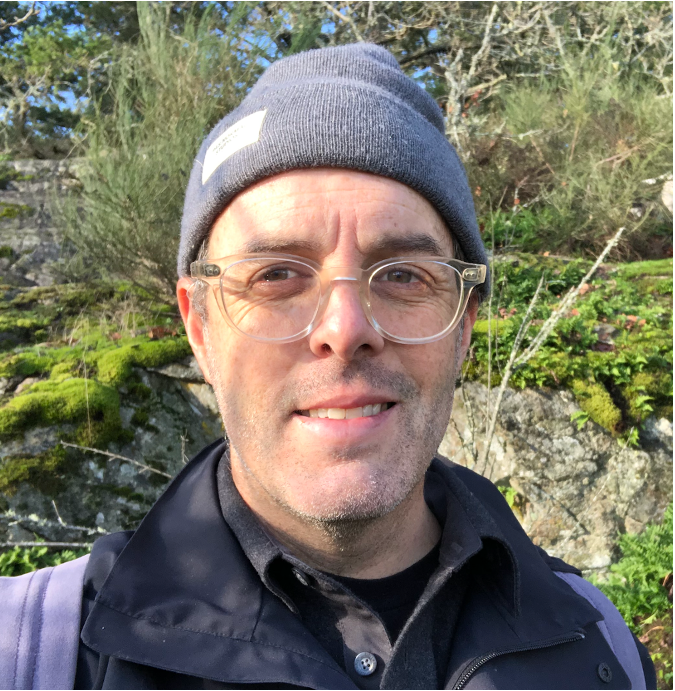
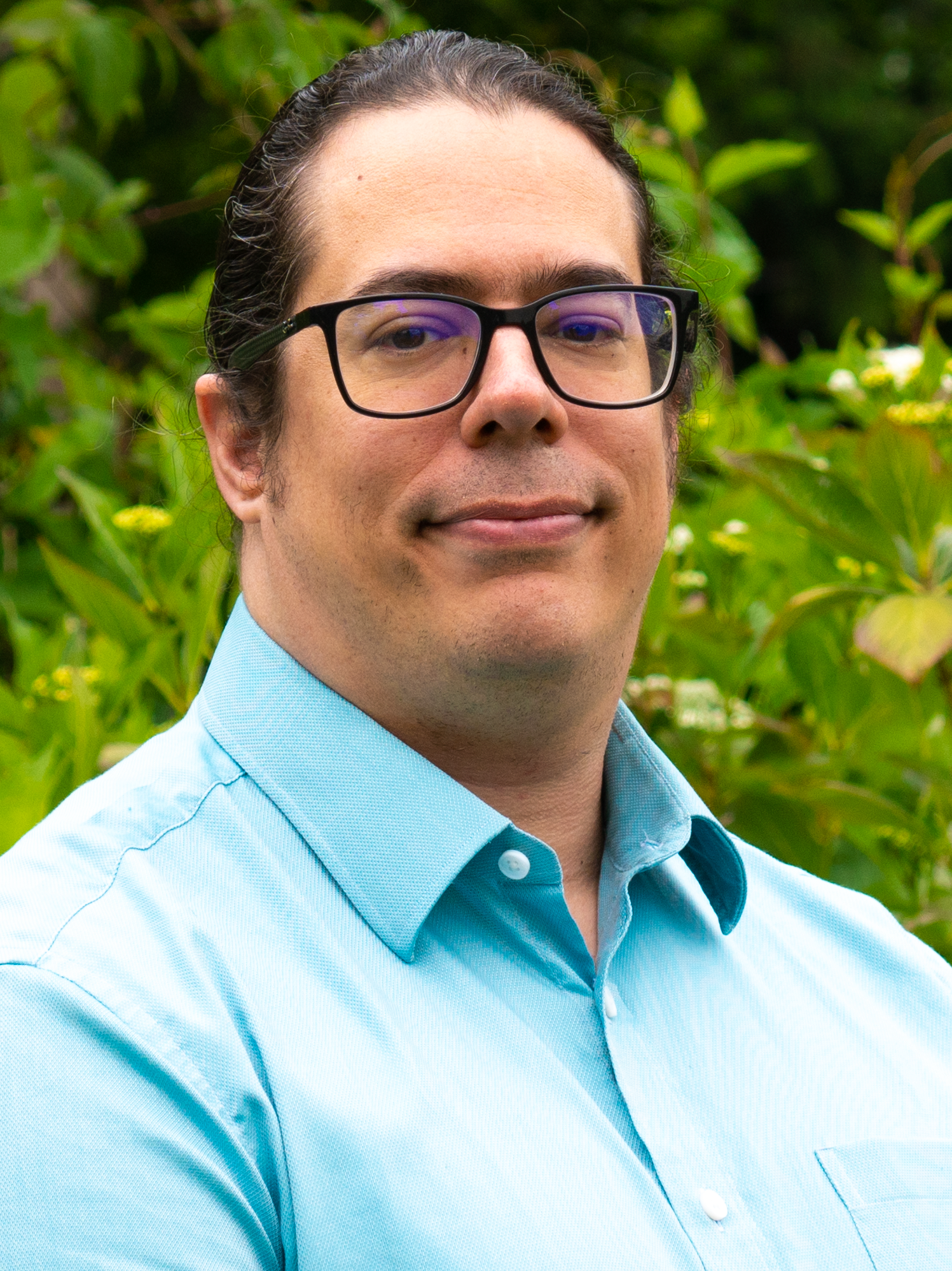
Michael Fabris is an Assistant Professor in the Department of Geography at the University of British Columbia, Faculty of Arts. He is also affiliated with the Institute for Gender, Race, Sexuality and Social Justice. As an Indigenous Geographer of Blackfoot and mixed European descent, affiliated with the Piikani Nation, he brings a unique perspective to his academic work, focusing on the intersections of Indigenous law, geography, and settler colonialism.
Dr. Fabris completed his PhD in Geography at the University of British Columbia (2016-2021), following earlier graduate work at UBC (2014-2016) and undergraduate studies at Simon Fraser University (2000-2014). His research centers on processes of dispossession in settler colonial contexts and Indigenous social movements that challenge these processes by reasserting Indigenous land and water relationships through governance and legal jurisdiction. Specific areas of focus include the Piikani Nation's attempts to challenge the Oldman River Dam construction and the possibilities and limits of asserting Indigenous jurisdiction within Canadian cities.
His scholarly work demonstrates a consistent engagement with the relationship between law, settler colonialism, and assertions of Indigenous law. The publications show a clear trajectory from examining specific cases like the Oldman River Dam to broader theoretical considerations of Indigenous legal traditions, treaty-making, and the articulation of Indigenous jurisdiction within settler legal frameworks. His work increasingly addresses the spatial dimensions of Indigenous resistance and the material constraints on asserting Indigenous nationhood.
- Robin P. Armstrong Memorial Prize for Excellence in Indigenous Studies (2023)
- UBC Killam Doctoral Scholarship (2017-2019)
- SSHRC Joseph-Armand Bombardier Canada Doctoral Award (2018-2021)
- Decolonizing Water SSHRC Partnership Grant Doctoral Fellowship (2016-2020)
Dr. Fabris has been actively involved in research that centers Indigenous voices and perspectives, conducting in-depth interviews with Piikani elders, activists, and legal experts. His work bridges academic scholarship with community engagement, particularly with Vancouver's Indigenous community. His research on urban Indigenous resurgence explores how urban practices constitute assertions of Indigenous jurisdiction, reflecting his commitment to scholarship that has direct relevance to contemporary Indigenous struggles.