معرفی
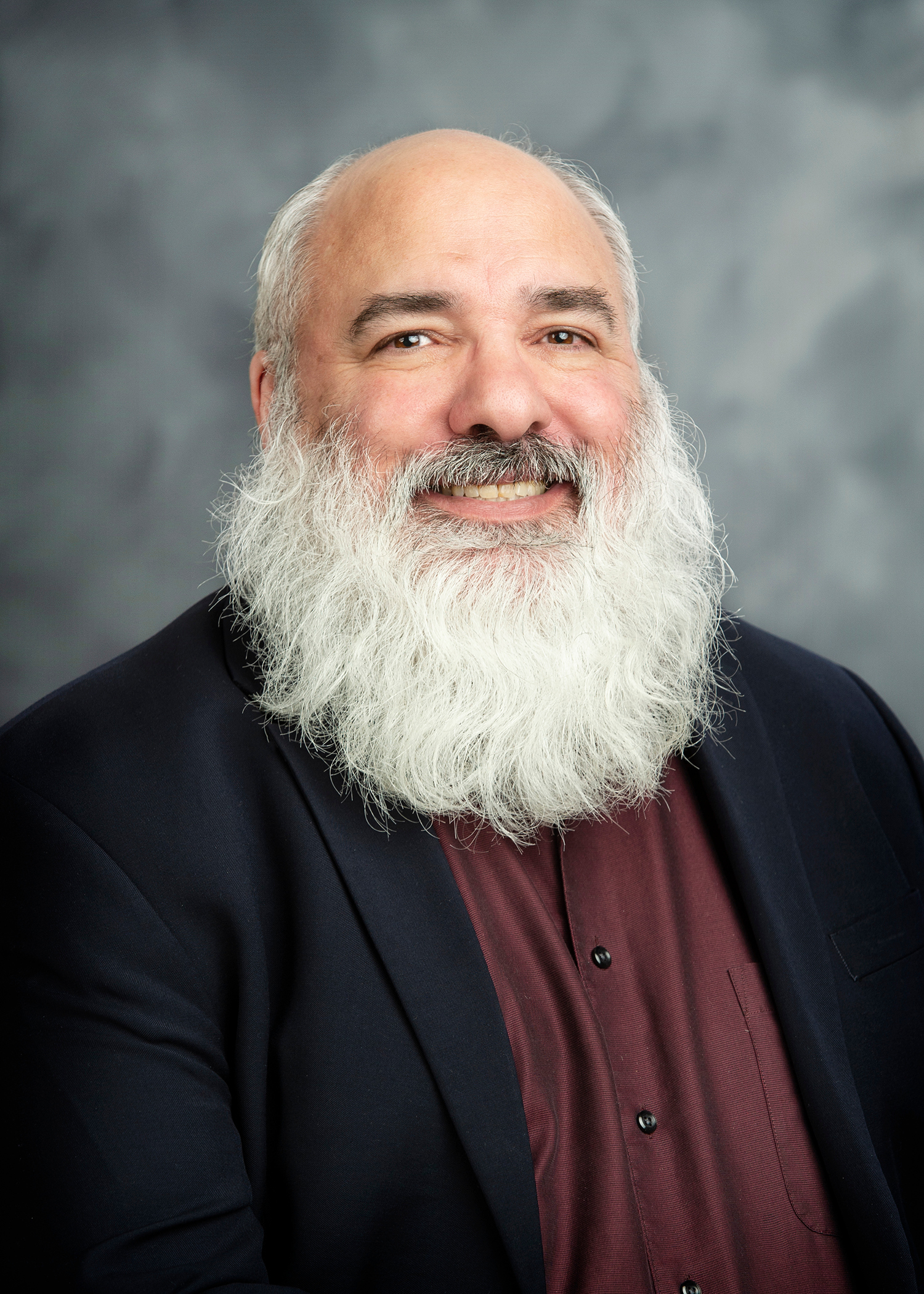
Michael E. Miller is an Assistant Research Professor and Director of the Auburn University Instrumentation Facility, affiliated with the Department of Biological Sciences in the College of Sciences and Mathematics at Auburn University. His work bridges plant biotechnology, nanobiotechnology, and agricultural science, with a strong emphasis on biological control and nanoparticle applications.
Education:
- Postdoctoral Fellow - Cornell University
- Postdoctoral Fellow – Hawaiian Sugar Planters’ Association, Aiea, Hawaii
- Ph.D. - University of Florida, Plant Sciences
- M.A. – University of Texas at Austin, Botany
- B.A. – University of Texas at Austin, Botany
Dr. Miller's research spans plant-microbe interactions, chloroplast genetic engineering, and the development of nanomaterials for biomedical and agricultural applications. His work includes the use of Bacillus subtilis as a biocontrol agent against rice sheath blight and the engineering of chloroplasts for high-level expression of therapeutic proteins. He has also contributed significantly to the study of silver and gold nanoparticles for antimicrobial and photoprotective uses.
The trend in his publications over the past two decades reflects a dual focus: early work centered on plant genetic engineering and biocontrol, while more recent studies emphasize nanobiotechnology, particularly the design and biological evaluation of metal-based nanoparticles for medical and agricultural purposes. His interdisciplinary research integrates microbiology, materials science, and molecular biology.
Scientific Awards:
- No awards listed in the provided text.
Dr. Miller has not been explicitly mentioned as an advisor to graduate students in the provided materials. However, as Director of the Instrumentation Facility, he likely supports research across multiple labs and departments. While no grants are listed, his publication record suggests involvement in externally funded research projects, particularly in biotechnology and nanoscience. His role as facility director implies leadership in providing advanced instrumentation and technical support to the research community at Auburn University.
He leads the Auburn University Instrumentation Facility, a core research support unit that enables advanced microscopic and analytical work across biological and materials sciences. This facility likely serves as a hub for interdisciplinary collaboration, particularly in nanotechnology and plant pathology research.