معرفی
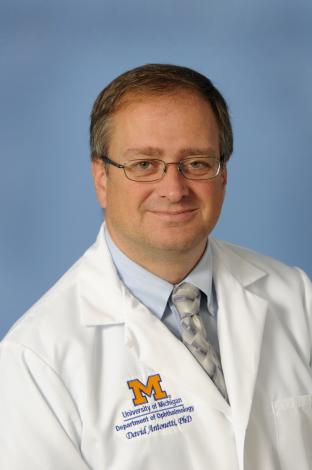
Dr. Michael Dennis is a Professor in the Department of Cell and Biological Systems and the Department of Ophthalmology with an active research program focused on molecular mechanisms in diabetes. His work examines how post-translational modifications of eukaryotic translation initiation factors and regulation of mTOR kinase impact gene expression in disease states, particularly diabetes complications.
Dr. Dennis's research centers on identifying molecular pathways that contribute to altered gene expression patterns in diabetes. His laboratory has demonstrated that genetic ablation of 4E-BP1 or REDD1 prevents visual dysfunction in diabetic models by regulating VEGF expression. Current work explores how recently identified small molecule inhibitors might counter diabetes-induced initiation factor defects, potentially improving treatment for diabetic retinopathy beyond current anti-VEGF therapies.
Analysis of Dr. Dennis's recent publications (2024-2025) reveals a concentrated focus on REDD1's role across multiple diabetic complications, particularly in retinal and renal tissues. His work spans molecular mechanisms of inflammation, cellular stress responses, and tissue-specific damage pathways in diabetes.
Scientific Awards:
- Samuel Hinkle Junior Faculty Research Award (2019)
Dr. Dennis has secured multiple significant research grants, including four major projects funded by the National Eye Institute and American Diabetes Association. His current projects investigate oxidative stress mechanisms in AMD, redox-sensitive activation of REDD1 in diabetic retinopathy, and hyperglycemia-induced translational control. His laboratory maintains an active publication record with 54 research outputs spanning from 2007-2025 and has an h-index of 25 with 1,829 citations.
The Dennis laboratory operates at the intersection of molecular biology and clinical diabetes research, with particular expertise in REDD1 signaling pathways. Their work has important therapeutic implications for diabetic complications affecting both the eyes and kidneys, potentially leading to new treatment approaches for patients who don't respond to current anti-VEGF therapies.