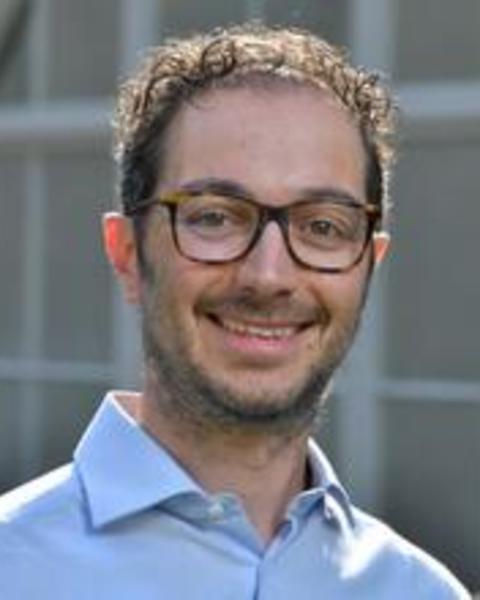
معرفی
Michèle Lamont is Professor of Sociology and of African and African American Studies and the Robert I. Goldman Professor of European Studies at Harvard University. She directs the Weatherhead Center for International Affairs and co-directs the Successful Societies Program at the Canadian Institute for Advanced Research. Lamont served as the 108th President of the American Sociological Association during 2016-2017, where her presidential address focused on recognition gaps and destigmatization processes.
Lamont's research fundamentally examines how cultural processes shape social inequality through symbolic boundaries and cultural repertoires. Her work spans comparative studies across the United States, France, Brazil, and Israel, investigating how different cultural contexts influence experiences of stigma and discrimination. She has pioneered interdisciplinary approaches that integrate insights from cognitive psychology to understand the mechanisms through which cultural schemas perpetuate or challenge social hierarchies.
Her recent publications reveal a growing focus on destigmatization, recognition gaps, and neoliberalism's impact on social inequality. Lamont's research demonstrates how experiences of stigma and destigmatization are enabled and constrained by various contextual factors including institutions, cultural repertoires, knowledge workers, and social movement activists across different national contexts.
- 2017 Erasmus Prize for exceptional contributions to the social sciences in Europe and globally
As Director of the Weatherhead Center for International Affairs, Lamont oversees numerous research initiatives examining cross-national comparative research on social inequality. Her leadership has strengthened Harvard's international research collaborations, particularly in cultural sociology and comparative studies of European and American societies. She has directed major projects including the international 'Getting Respect' study comparing responses to stigma across different national contexts.
Lamont's work has established foundational frameworks for understanding how cultural processes mediate experiences of inequality across diverse social groups, with significant contributions to the sociology of race, class, immigration, and cultural recognition across multiple national contexts.