معرفی
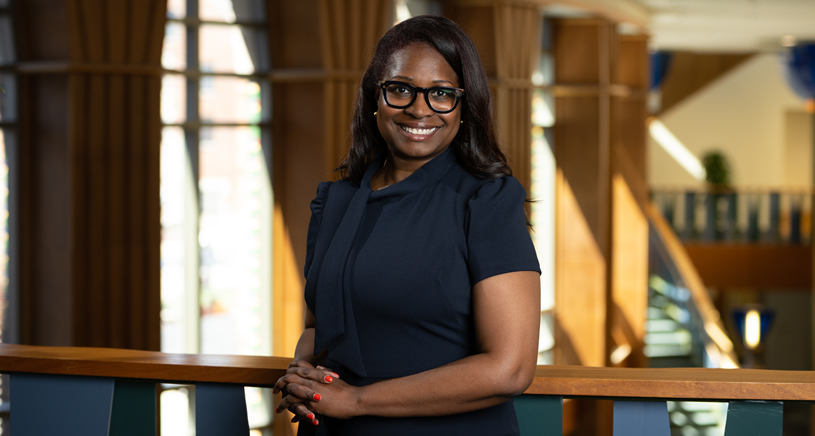
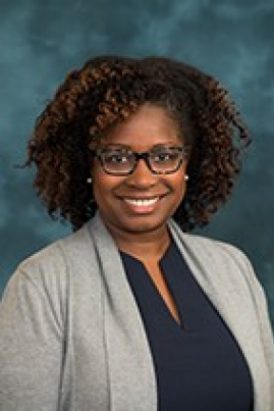
Melissa Shawn Creary is an Assistant Professor in the Department of Health Management and Policy at the University of Michigan School of Public Health. She is also affiliated with the African Studies Center and conducts interdisciplinary research at the intersection of public health, science and technology studies, and medical anthropology.
- PhD, Laney Graduate School, Emory University (2016)
Her research focuses on race, racism, health equity, and bioethics, particularly through the lens of sickle cell disease (SCD) in the United States and Brazil. She has developed influential conceptual frameworks such as biocultural citizenship and bounded justice, which explore how biology, identity, policy, and systemic racism interact to shape health outcomes and rights. Her work employs qualitative methods, including ethnography and oral history, to examine how marginalized communities assert belonging and demand health reparations.
Her recent publications analyze antiracist teaching, clinical algorithms, and precision medicine through the lens of bounded justice. These articles highlight how well-intentioned health equity interventions are often constrained by historical and structural racism. Her scholarship reveals patterns in how race is both hyper-visible and invisible in biomedical research and policy.
Dr. Creary is actively involved in funded research projects, including:
- Health Equity via Anti-Racist Teaching (HEART)
- The ARCC Towards Justice Project
- Anti-Racist County towards Justice (ARC towards Justice)
These initiatives aim to transform public health institutions into explicitly anti-racist entities through curriculum reform, policy assessment, and community collaboration.
She mentors a diverse team of research assistants and students, many of whom are engaged in health disparities research, global health, and reproductive justice. Her teaching emphasizes antiracist pedagogy and real-world public health applications.
Dr. Creary is a sought-after speaker and consultant for non-profits, government agencies, and educational institutions on anti-racist strategy, research methodologies, and organizational change. She is also the creator of a digital scholarship project on biocultural citizenship.