
معرفی
Melissa A. Ilardo serves as Assistant Professor in Biomedical Informatics at the University of Utah with an adjunct appointment in Human Genetics, leading the Ilardo Lab focused on evolutionary genomics and health phenotypes. Her interdisciplinary work partners with historically excluded populations like Indonesia's Bajau Sea Nomads and Korea's Haenyeo divers to investigate physiological adaptations in extreme environments.
Her academic journey includes a PhD in Evolutionary Genomics from the University of Copenhagen, followed by dual postdoctoral fellowships at the University of Utah and UC Berkeley. Prior to returning to academia, she spent three years in industry developing genomics-based drug discovery platforms using large-scale health cohorts.
Dr. Ilardo's research centers on Human Evolution, Exercise Physiology, and Quantitative Genetics, specifically examining how indigenous populations' adaptations (e.g., to breath-hold diving) can inform medical insights. She challenges deficit-focused genomics by celebrating human resilience, emphasizing community-based participatory research that honors participant strengths rather than pathology.
Her publication record (2010-2025) reveals consistent exploration of human population genetics, evolutionary adaptations to extreme environments, and translational applications in medicine. Key trends include genetic studies of hypoxia tolerance, ancient DNA analyses, and investigations into amino acid evolution, demonstrating an integrated approach spanning computational genomics, physiology, and anthropology.
While no specific awards are documented, her work has appeared in premier journals including Cell, Nature, and Science, reflecting significant scholarly impact. The Ilardo Lab actively mentors graduate students in genomic research methodologies and community-engaged science.
Current lab initiatives focus on replicating biological mechanisms from adapted populations to improve general wellness, with ongoing fieldwork in Indonesia and Korea. The team employs computational genomics to translate evolutionary advantages into medical applications, particularly for hypoxia-related conditions, while maintaining strong ethical partnerships with participating communities.
Melissa A. Ilardo در سایتهای دیگر
جستوجوهای مرتبط
شاید اینها هم برایتان مناسب باشند
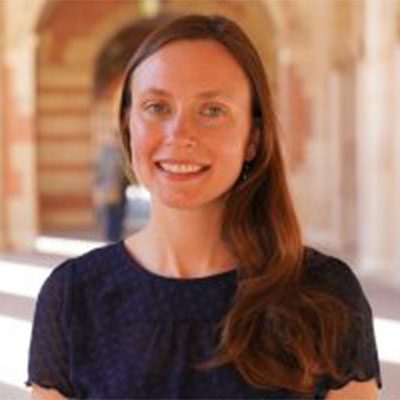 Abigail Winslow BighamUniversity of California, Los Angeles · دانشیار
 Kevin McCrackenUniversity of Miami · دانشیار
- MMaximilian LarenaUppsala University · پژوهشگر
 Abigail BighamUniversity of California, Los Angeles · دانشیار
- IIngrid EftedalNorwegian University of Science and Technology · استاد پژوهشی
 Samantha Chisholm HatfieldOregon State University · استادیار