معرفی
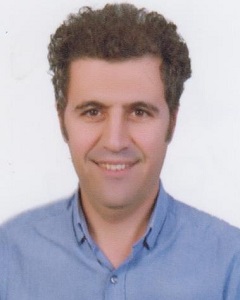
Melih Sever is an Associate Professor in the Department of Social Work at the Faculty of Economics and Administrative Sciences, Süleyman Demirel University, where he has held his position since 2024. His academic foundation includes a Doctorate in Social Work from Hacettepe University (2018), a Master's degree from the University of Sheffield (2012), and a Bachelor's in Guidance and Psychological Counseling from Uludağ University (2009).
- Bachelor's in Guidance and Psychological Counseling, Uludağ University (2009)
- Master's in Psychology, University of Sheffield (2012)
- Doctorate in Social Work, Hacettepe University (2018)
Dr. Sever's research spans Social Work, Psychological Counseling, and Migration Studies with emphases on resilience mechanisms, workplace stress, and cross-cultural perspectives. His work frequently employs photovoice methodology to investigate marginalized communities, including migrant waste collectors and foreign caregivers in Japan. He examines how social stigma, emotional labor, and pandemic disruptions impact mental health and organizational dynamics.
His 15 most recent publications (2021-2024) reveal consistent focus on resilience as a mediating factor in life satisfaction, with increasing attention to cross-cultural comparisons and methodological innovation through visual research techniques. Key recurring themes include the psychological impacts of 'dirty work,' smartphone addiction mediated by fear of missing out, and suicide's organizational consequences.
Dr. Sever serves as Editor for the Qualitative Social Sciences Journal since 2019 and has secured competitive research funding including a TÜBİTAK 1002 grant (2024) for a visual study on migrant waste collectors' working conditions. His collaborative projects consistently address social justice issues in labor, migration, and mental health contexts across Turkey and international settings.
His research team frequently employs mixed-methods approaches, particularly photovoice, to amplify voices of vulnerable populations including Syrian refugees, cancer patients' families, and female caregivers. Current projects focus on workplace spirituality and the intersection of social media use with psychological well-being among students.