معرفی
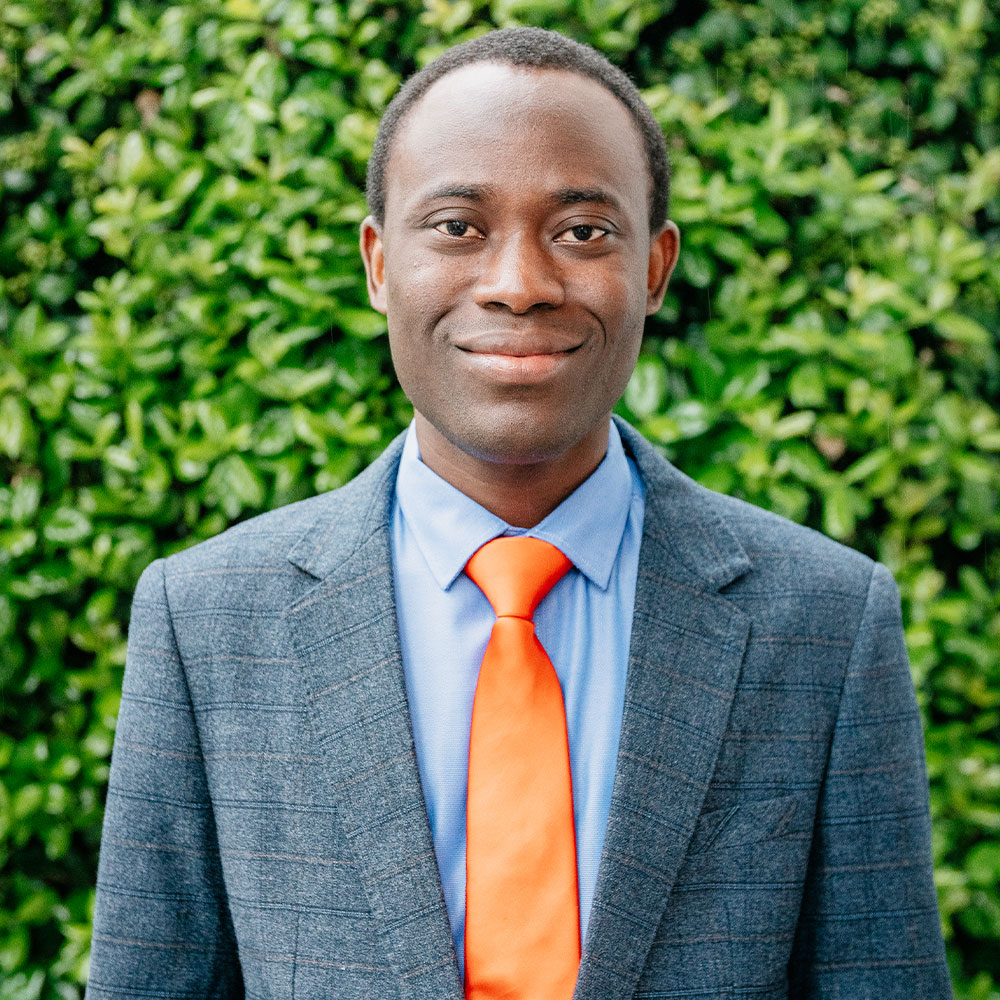
Mazhar Kayaoğlu serves as a Lecturer in the Department of Informatics at Bingöl University, where he contributes to both teaching and cutting-edge research. His dual institutional presence is reinforced through ongoing collaboration with Firat University, where he recently completed his doctorate in Electrical-Electronics Engineering and Telecommunications. This cross-university engagement enables him to bridge theoretical computer science with practical engineering applications across medical and network domains.
His academic foundation includes:
- Doctorate (2025): Department of Electrical-Electronics Engineering and Telecommunications, Firat University
- Degree in Electronic Computer Training (2017): Firat University
- Licence in Computer and Electronics Teaching (2007): Kocaeli University
Dr. Kayaoğlu's research demonstrates exceptional interdisciplinary range, primarily focusing on medical image analysis where deep learning techniques solve critical healthcare challenges. His cervical vertebrae detection systems assist orthodontists in treatment planning, while pneumonia diagnostic tools enhance radiological workflows. Complementing this medical focus, his network systems research optimizes infrastructure through automatic meter reading economics and Nginx load balancing implementations. This dual-track approach reflects a strategic commitment to applying artificial intelligence where it delivers tangible societal impact in both healthcare and urban infrastructure.
Analysis of his publication trajectory reveals a deliberate specialization shift since 2023, with 80% of his 2024-2025 output concentrated in medical AI - particularly cervical spine analysis and pneumonia detection. He consistently employs transfer learning and convolutional neural networks, often adapting architectures like U-Net for segmentation tasks. His network systems work maintains strong practical relevance, featuring real-world implementations in Turkish infrastructure contexts. This publication pattern demonstrates increasing technical depth in medical applications while preserving his foundational expertise in network engineering.
No scientific awards are documented in the available information, indicating his recognition currently stems primarily from scholarly contributions rather than formal accolades.
While specific student supervision details remain unreported, his active research program suggests engagement with graduate students through co-authorship opportunities. His collaborative publication pattern - averaging 3.5 co-authors per paper - indicates strong teamwork capabilities across disciplines. Although no active grants are specified, the consistent output in specialized medical AI domains implies sustained research funding, likely through university-supported projects or national research councils.
Though no dedicated laboratory is mentioned, Dr. Kayaoğlu's research emerges from dynamic cross-institutional teams. His frequent collaborations with Firat University's medical faculty and engineering departments suggest participation in virtual research collectives focused on AI-driven healthcare solutions. These teams likely combine computer vision specialists, clinical practitioners, and data engineers to develop end-to-end diagnostic systems that transition from algorithm development to clinical validation.