معرفی
Mauro Piacentini serves as Full Professor of Cellular and Developmental Biology at University of Rome Tor Vergata and Basic Research Director at the National Institute for Infectious Diseases IRCCS "Lazzaro Spallanzani" in Rome. He holds leadership roles as Co-Founder/Editor-in-Chief of Cell Death & Disease, Senior Editor of Cell Death & Differentiation, and President of Italy's National Research Committee for the Ministry of Health.
His research centers on molecular mechanisms of cell death and autophagy in physiological and pathological contexts, with emphasis on Type 2 Transglutaminase (TG2) and Ambra1. TG2 functions as a multifunctional enzyme regulating cellular proteostasis through protein disulfide isomerase activity, ER-mitochondria communication via GRP75 interaction, and heat-shock response modulation. Ambra1 serves as a critical autophagy regulator through dynamic interactions with Beclin1 complexes and E3 ubiquitin ligases like Cullin-4/5. His work bridges fundamental cell biology with disease mechanisms in cancer and infectious pathologies.
Representative publications (2007-2019) demonstrate consistent innovation in autophagy regulation, revealing how E3 ligases control autophagic flux, how TG2 mediates organelle crosstalk, and how TRIM32-ULK1 signaling drives muscle autophagy. These studies establish mechanistic frameworks connecting molecular players to neurodevelopment, stress adaptation, and muscular dystrophies.
Key recognition includes:
- Descartes Award from the European Commission (2007)
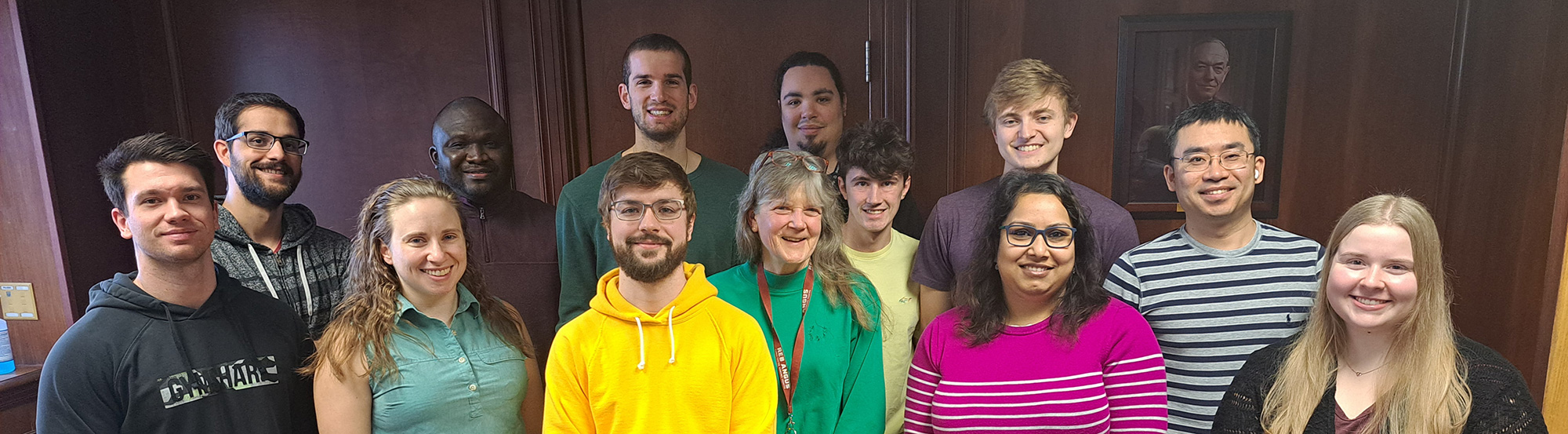
As Principal Investigator of the Cell Death and Autophagy Mechanisms program, Piacentini directs research on TG2's conformational switching between GTPase and transamidase functions, Ambra1's role in neural development, and therapeutic targeting of autophagy in cancer. His laboratory employs advanced techniques including advanced light microscopy and histopathology to dissect molecular pathways in disease models.