معرفی
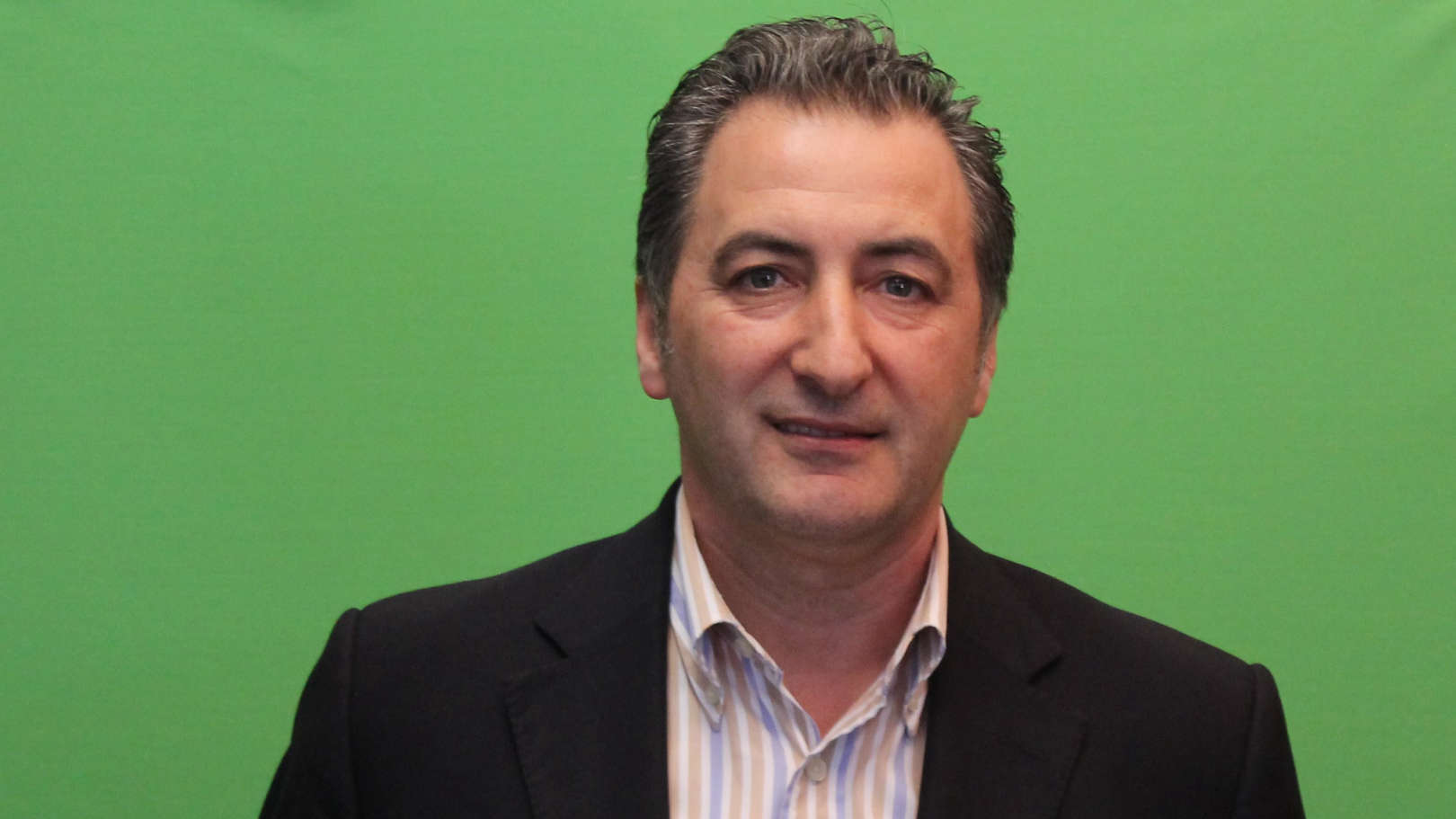
Maurizio Bevilacqua serves as a Full Professor in the Department of Industrial Engineering and Mathematical Sciences at the University of Ancona (Università Politecnica delle Marche). His academic focus falls under the scientific sector IIND-05/A - Impianti industriali meccanici (Mechanical Industrial Plants). Based at the university's Engineering faculty located at Via Brecce Bianche in Ancona, Italy, Professor Bevilacqua maintains an active research profile with numerous publications spanning industrial engineering, digital transformation, and smart manufacturing technologies.
Professor Bevilacqua's research interests center on cutting-edge industrial engineering topics including Digital Twin technology, Industry 4.0 implementation, smart retrofitting of industrial machinery, maintenance engineering, and robotics applications in manufacturing. His work demonstrates particular expertise in applying these technologies to challenging sectors such as oil and gas, food manufacturing, and maritime transportation. His research bridges theoretical innovation with practical industrial applications, as evidenced by his numerous case studies across different manufacturing sectors.
An analysis of his recent publications (2023-2025) reveals a strong emphasis on digital transformation in industrial settings, with particular focus on Digital Twin implementations across various sectors. His work shows a progression from foundational Industry 4.0 concepts toward more sophisticated applications including Digital Triplet frameworks and human-machine integration approaches that anticipate Industry 5.0 paradigms. Many of his studies combine multiple advanced techniques such as machine learning, fuzzy cognitive maps, and association rule mining to solve complex industrial problems.
Professor Bevilacqua's research demonstrates strong industry collaboration, with numerous case studies conducted in real industrial settings across multiple sectors including oil and gas, food manufacturing, and maritime transportation. While specific grant information isn't provided in the available materials, his extensive publication record suggests active participation in research projects that bridge academic theory with practical industrial implementation. His work frequently addresses challenges related to legacy system modernization, operational resilience, and sustainable manufacturing practices.
Though specific laboratory affiliations aren't detailed in the available information, Professor Bevilacqua's research appears to focus on industrial applications of digital technologies, suggesting collaboration with industrial partners and possibly university research centers focused on manufacturing innovation, robotics, and industrial IoT. His work on smart retrofitting solutions indicates involvement with projects that transform conventional machinery into intelligent systems capable of integration within modern digital manufacturing ecosystems.