معرفی
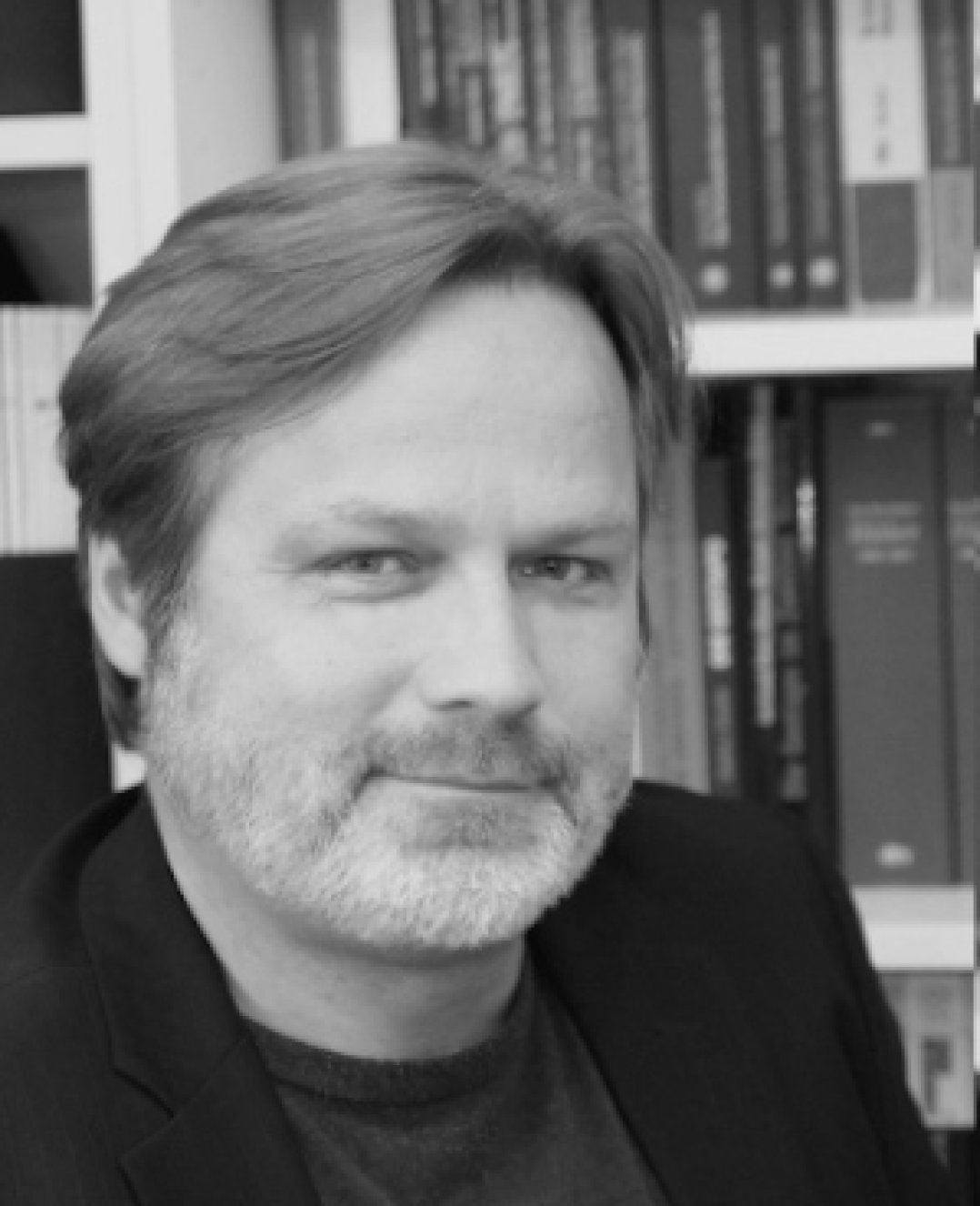
Dr. Matthias Kirchbach is a Research Associate and Representative Academic Councillor in the Chair of History Didactics at the Faculty I of the University of Siegen, Germany. He holds a doctorate in History, awarded in December 2024, and has been continuously engaged in academic research and teaching since 2016.
Education:
- Doctorate in History, University of Siegen (2024)
- Studies in History and English for Teaching, University of Siegen (2009–2016)
His research centers on history didactics, particularly the use of oral history, digital platforms, and regional memory sites in historical education. He investigates how migration, identity, and remembrance are taught and experienced in schools and public spaces. His work often bridges academic research with practical classroom applications and public history projects, such as the ZEIT.RAUM Siegen digital memory initiative and museum collaborations.
The most recent publications reflect a consistent focus on migration history, regional remembrance culture, and innovative teaching methods using visual and digital sources. His scholarly output emphasizes interdisciplinary approaches, combining history education, gender studies, and digital humanities.
Scientific Awards:
- Waxmann Prize for Educational Research (2016)
- Study Prize of the Siegen-Wittgenstein District (2017)
Dr. Kirchbach has advised and collaborated on public exhibitions and teacher training programs, demonstrating strong engagement in academic outreach and pedagogical development. He has not received mention of external grant leadership, but his sustained institutional employment suggests ongoing project-based funding. He frequently collaborates with Prof. Dr. Bärbel Kuhn and contributes to national and international conferences on extracurricular learning and historical didactics.
He is actively involved in the ZEIT.RAUM Siegen project, a digitally collaborative memory space for the city’s history, and has served as a scientific advisor for the Siegerland Museum’s migration-themed exhibition. These initiatives reflect his commitment to connecting academic research with community-based historical learning.