معرفی
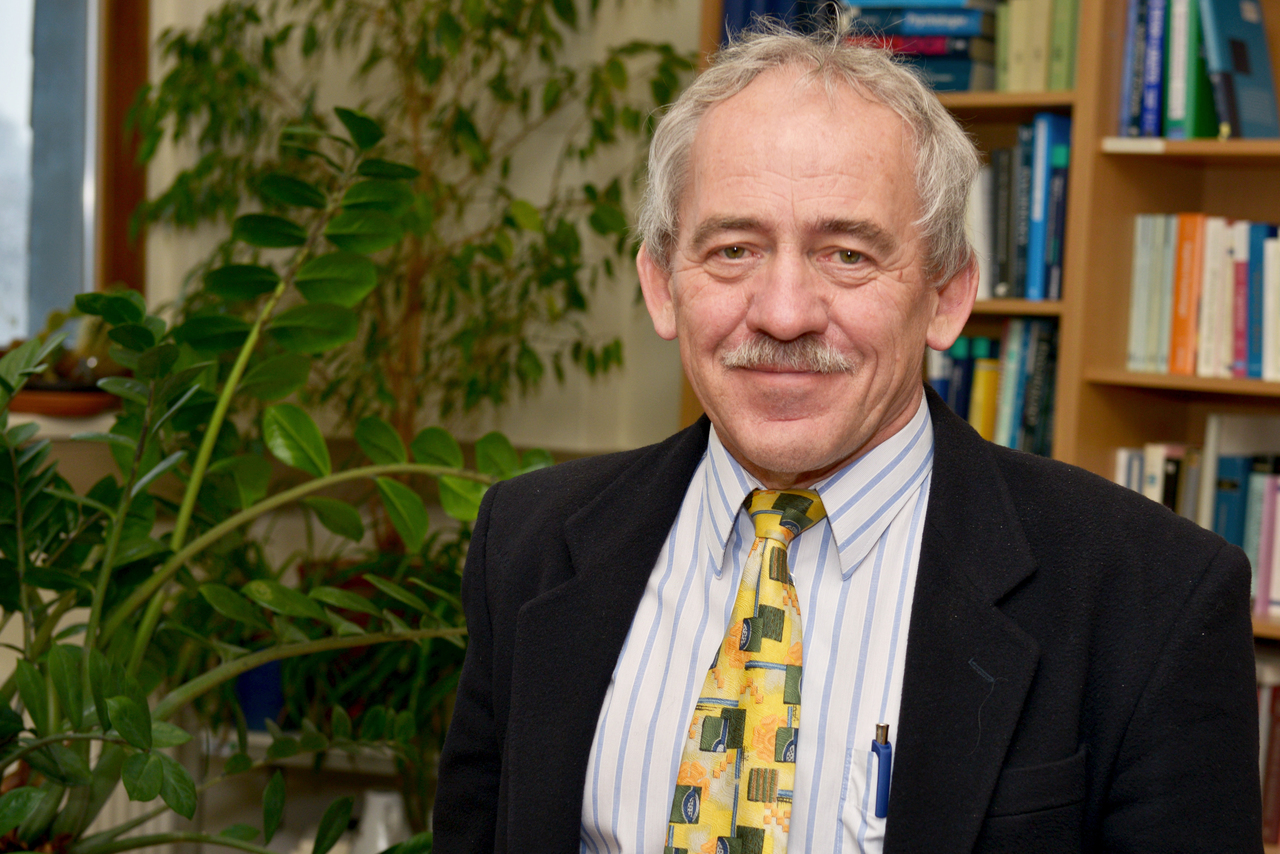
Dr. Matthias Beggiato is a Research Associate at the Professorship for Applied Geropsychology and Cognition within the Department of Psychology at Chemnitz University of Technology. He has been affiliated with the university since 2010, currently leading the Traffic Psychology research group. His work bridges cognitive psychology and engineering, focusing on human factors in automated transportation systems.
Education:
- Dr. rer. nat. in Psychology, Chemnitz University of Technology (2015)
- M.A. in Educational Science, University of Vienna (2005)
- M.Sc. in Psychology, University of Vienna (2004)
- Postgraduate Certification in Clinical and Health Psychology (Austria, 2006)
Research Focus: Dr. Beggiato investigates human-machine interaction in automated vehicles, specializing in driver comfort, behavioral adaptation, and implicit communication between road users. His work employs psychophysiological measures, big data analysis, and field studies to develop human-centered automation systems. Key areas include discomfort detection during automated driving, pedestrian-vehicle communication interfaces, and lane-change prediction algorithms.
Publication Trends: His 15 most recent articles (2019-2024) predominantly explore human factors in automated driving, with consistent themes: trust calibration, physiological correlates of discomfort, and external human-machine interface (eHMI) design. Methodologies include driving simulator studies, machine learning applications for behavior prediction, and cross-cultural expert workshops. Recent work emphasizes real-world applicability, with studies conducted in test tracks and urban environments.
Projects & Grants: Dr. Beggiato coordinates/contributes to multiple funded initiatives:
- Coordinator: QuartierPflegeApp (BMBF), InMotion (BMVI), KomfoPilot (BMBF)
- Work Package Leader: STADT:up (BMWK), MEDIATOR (EU), UR:BAN (BMWi)
- DFG Projects: CRC 1410 Hybrid Societies, SPP 1835 Cooperatively Interacting Automobiles
Laboratories & Teams: He operates within the Cognitive and Engineering Psychology labs at TU Chemnitz, utilizing driving simulators, eye-tracking systems, and wearable biosensors. Collaborates with interdisciplinary teams across the EU on automotive human factors, including projects with BMWK, BMDV, and EC partners.