معرفی
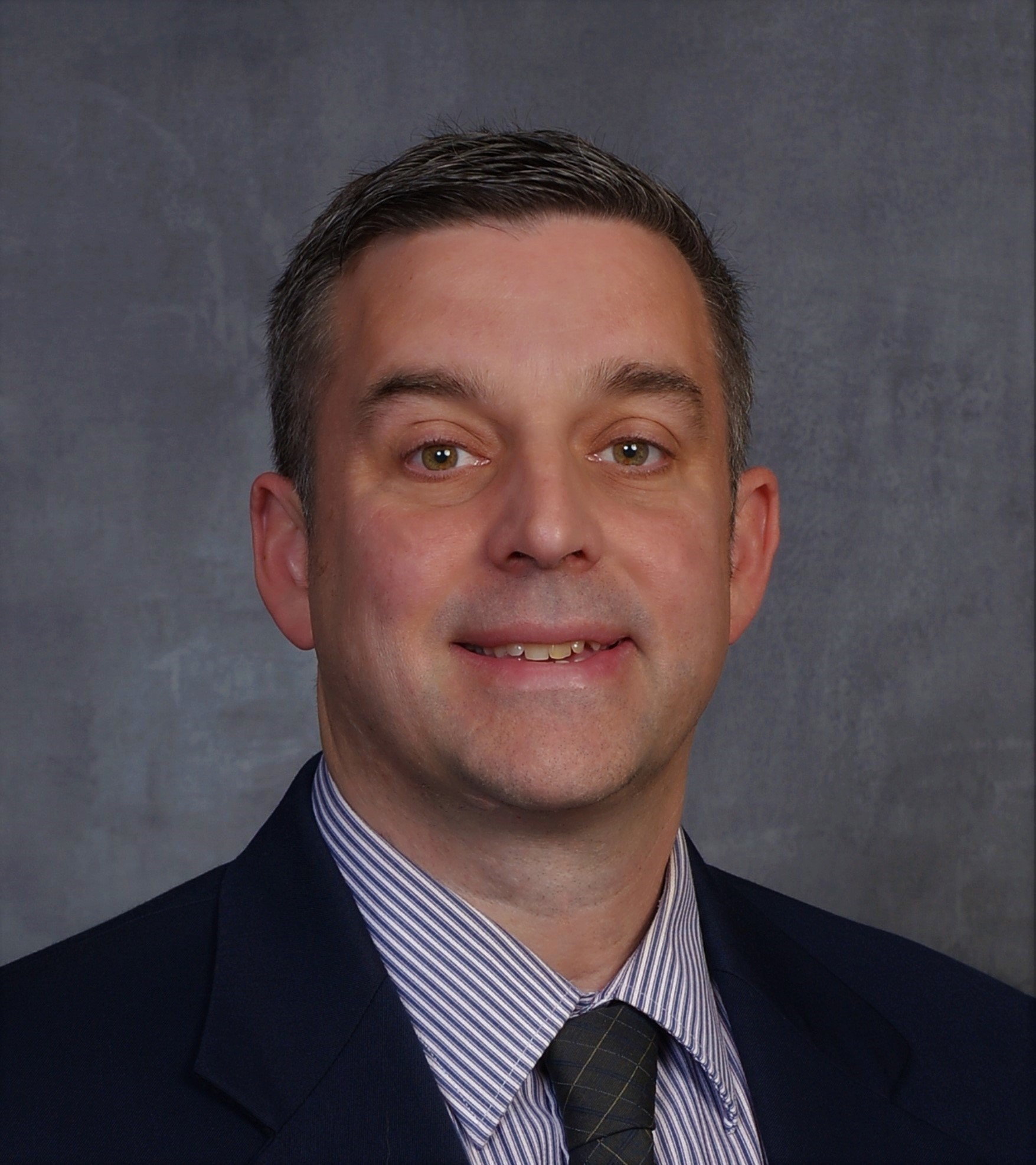
Matthew Reilly is an Associate Professor in the Anthropology Department at City College of New York (CCNY), part of the City University of New York system. His scholarship focuses on the intersections of race, class, slavery, freedom, colonialism, and capitalism in the Atlantic World, with particular attention to the origins of modern racial discourse and the development of whiteness as a racial identity. Reilly's research employs archaeological approaches to time, materiality, memory, and praxis to examine complex historical processes.
Reilly earned his PhD from Syracuse University in 2014. His book Archaeology below the Cliff: Race, Class, and Redlegs in Barbadian Sugar Society (2019) represents the first archaeological study of the poor whites of Barbados, known pejoratively as 'Redlegs.' His work examines how these marginalized communities navigated economic hardship in the plantation landscape, developing alternative moral economies while challenging elite notions of race, class, and economics in colonial society.
Reilly's research program centers on three interconnected projects: his work on Barbadian 'Redlegs,' the Back-to-Africa Heritage and Archaeology (BAHA) project in Liberia investigating nineteenth-century settlement by Black Americans and West Indians, and 'The Archaeology Plantation' archival project analyzing early archaeological expeditions to deconstruct White supremacy in the discipline's formation. His scholarship consistently emphasizes anti-racist practice and community engagement.
His recent publications (2023-2025) demonstrate a growing focus on the archaeology of freedom-making, the material afterlives of slavery, and the connections between historical processes of racial formation and contemporary social justice issues. Reilly's work spans Caribbean archaeology, African diaspora studies, and critical race theory, with increasing attention to comparative studies of emancipation and freedom across the Atlantic World.
As co-founder and co-director of the Back-to-Africa Heritage and Archaeology project, Reilly has established significant collaborative research partnerships in Liberia, working with local communities to investigate archaeologies of return, liberation, and settler-Indigenous interactions. His interdisciplinary approach often incorporates artistic practice, as seen in his collaboration with Barbadian visual artists exploring plantation futures and the material afterlives of slavery.