معرفی
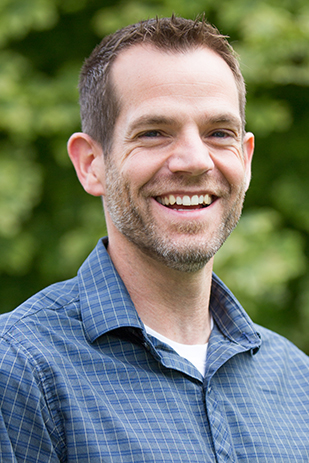
Matthew Chatfield is an Assistant Professor of Evolution and Eco-Health at the School of Biology and Ecology, University of Maine, within the College of Natural Sciences, Forestry and Agriculture. He is also affiliated with the Maine Agricultural and Forest Experiment Station, where his research contributes to conservation science in Maine. His work is supported under the McIntire-Stennis Project ME042301.
- PhD, University of Michigan, 2009
Chatfield is a conservation biologist and herpetologist whose research focuses on the population ecology of endangered reptiles and amphibians, particularly the wood turtle and species affected by the chytrid fungus. His work integrates field ecology, disease dynamics, and conservation strategies to address the global decline of herpetofauna. Key interests include eco-health, habitat degradation, emerging pathogens, and human impacts on wildlife.
His recent publications highlight a strong focus on amphibian disease ecology, particularly Batrachochytrium dendrobatidis, its sublethal effects, transmission mechanisms, and potential treatments. Additional themes include road mortality, habitat fragmentation, and the impacts of environmental disasters such as oil spills. The research combines field observations, genetic analysis, and experimental methods, often in collaboration with government and non-profit partners.
Although no specific awards are mentioned in the provided texts, Chatfield’s work is published in high-impact journals such as Proceedings of the National Academy of Sciences, Biological Conservation, and Diseases of Aquatic Organisms, indicating recognition in the scientific community.
He divides his time equally between teaching conservation biology and conducting research. He mentors students through his lab, The Chatfield Lab, which emphasizes teaching and mentorship as essential to addressing the herpetofaunal conservation crisis. His lab runs two major initiatives: the Maine Wood Turtle Project and the Amphibian Health Project, both aimed at generating actionable data for conservation management. The lab collaborates with government agencies, non-profits, and local communities to ensure real-world impact.