معرفی
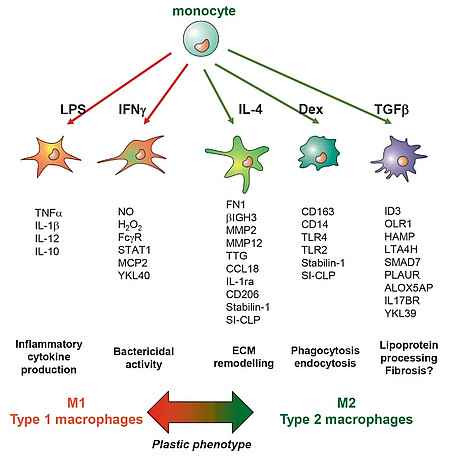
Professor Matt Sweet is an NHMRC Leadership Fellow, Group Leader at the Institute for Molecular Bioscience (IMB), and Director of Higher Degree Research at The University of Queensland. He leads research on innate immunity, focusing on macrophages’ roles in detecting pathogens and regulating inflammation. His work includes developing anti-infective and anti-inflammatory strategies through manipulation of pattern recognition receptors and signaling pathways. Dr. Sweet has authored over 180 publications, including in Science, Nature Immunology, and PNAS, with over 20,000 citations.
Education: PhD in Immunology (UQ, 1996) under Prof. David Hume, followed by postdoctoral research at UQ and a CJ Martin Fellowship at the University of Glasgow. He has held roles such as Deputy Head of the IMB Division of Cell Biology and Molecular Medicine and founding Director of the IMB Centre for Inflammation and Disease Research (2014–2018).
Research Interests: Innate immune pathways, macrophage antimicrobial responses, species-specific immune differences (human vs. mouse), and metabolic control of inflammation. Key discoveries include identifying TLR9’s role in CpG DNA sensing, the ST2 cytokine’s regulatory function, and HDAC7’s immunometabolic role.
His research impacts include novel inhibitors of inflammatory proteins, biomarker identification for chronic liver disease, and patents on ribulose-5-phosphate’s anti-inflammatory properties. Awards include the Dolph Adams Award and NHMRC/ARC fellowships. He supervises 3–4 PhD students and mentors postdoctoral researchers, with over 34 completed PhD students to date.
Professional Activities: Editorial board member for Journal of Leukocyte Biology, organizer of international conferences (e.g., World Conference of Inflammation 2019), and member of the NHMRC grant review panels. His lab collaborates on translational projects, including zinc-based antimicrobial therapies and circadian rhythm’s role in immunity.