معرفی
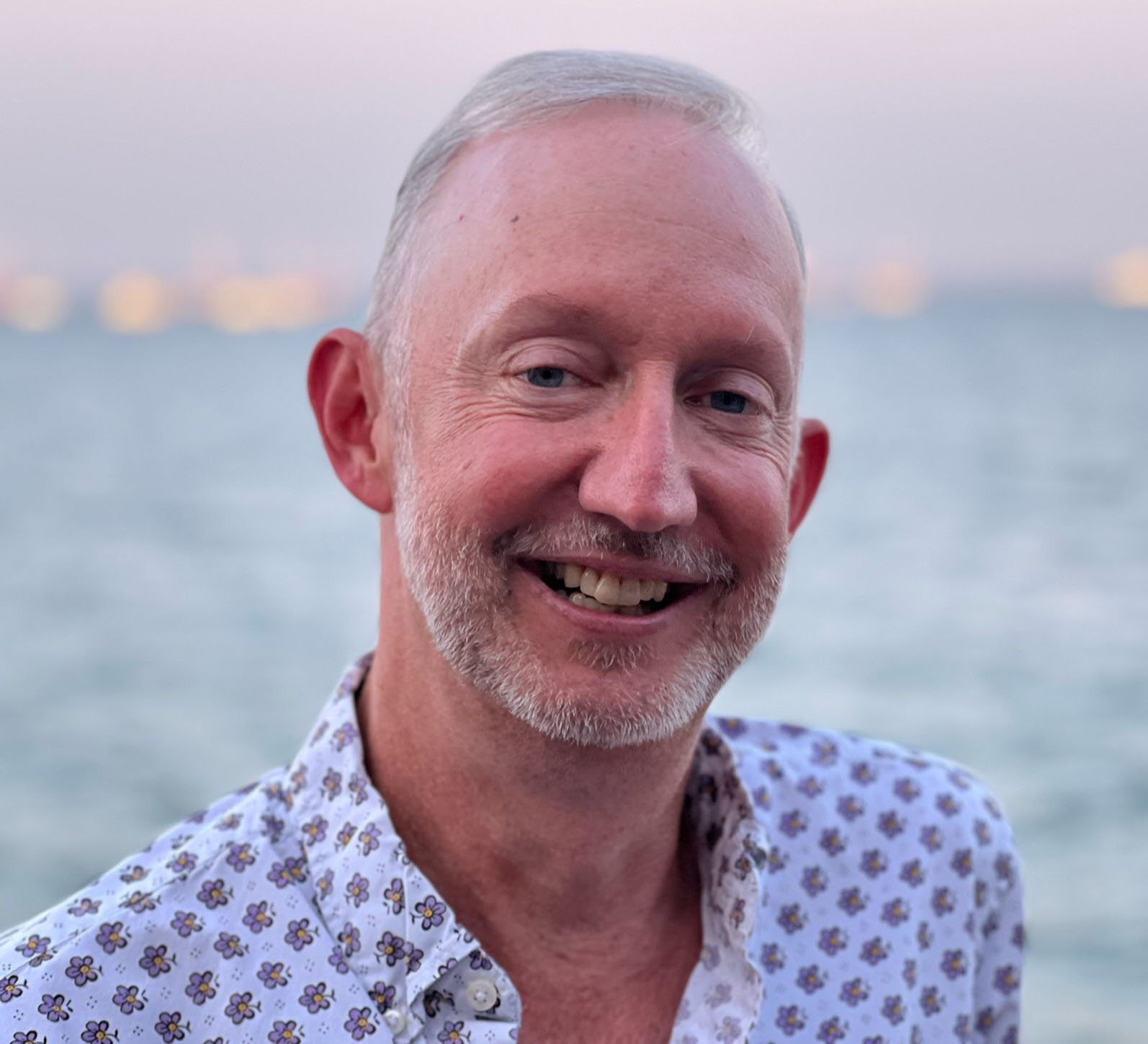
Matt Brim is Professor of Queer Studies at the College of Staten Island, City University of New York (CUNY), and Affiliate Faculty in Women's and Gender Studies at the CUNY Graduate Center. His academic work focuses on the intersections of queer theory, class politics, and racial justice within higher education and literary studies. Brim has established himself as a significant voice in critical queer studies through his publications and academic leadership.
His educational background includes a Ph.D. from Indiana University (2004) and a B.A. from Wabash College (1994), where he graduated summa cum laude and was a member of Phi Beta Kappa. This strong academic foundation has informed his critical approach to queer studies and higher education.
Brim's research interests center on queer-class-race intersections in literature and higher education. His work critically examines elitism within academic institutions while exploring the transformative potential of queer pedagogy. He has made significant contributions to James Baldwin scholarship, examining the intersections of race, sexuality, and literary imagination. His research consistently addresses how marginalized identities navigate and transform academic spaces, with particular attention to working-class queer experiences.
His publications reveal a consistent trajectory exploring the politics of knowledge production within queer studies. Brim's work demonstrates a commitment to methodological innovation in queer research while critically examining power dynamics within academia. His scholarship bridges literary analysis, educational theory, and social justice activism, creating connections between theoretical frameworks and practical applications in classroom settings.
Brim has been actively involved in faculty development initiatives at CUNY, notably through the Faculty Fellowship Publication Program (FFPP), where he has contributed to supporting scholarly work among faculty. His engagement with transformative learning practices is evident through his participation in the Transformative Learning in the Humanities initiative, where he has co-directed programming and contributed to discussions about pedagogical innovation.
He has established several academic communities focused on queer knowledge production, including the Open Knowledge group dedicated to promoting open queer feminist knowledge and educational resources. His work extends beyond traditional academic boundaries through digital projects and public scholarship initiatives that make queer studies accessible to broader audiences.