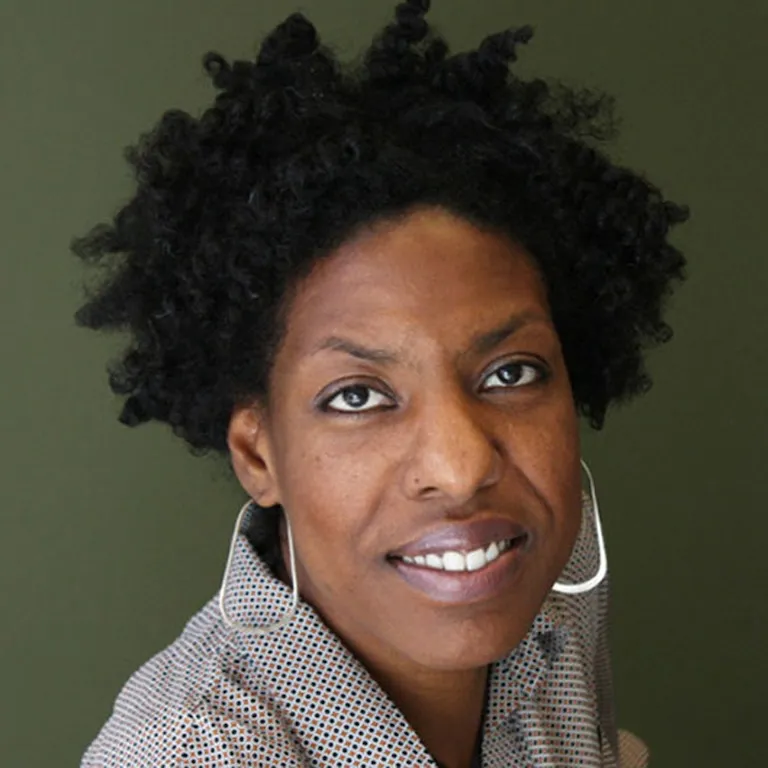
Mathies Græsborg Aarhus
پژوهشگر · British and American Literature after 1900
University of Southern Denmarkمعرفی
Mathies Græsborg Aarhus is a researcher in the Department of Culture and Language at the University of Southern Denmark, Faculty of Humanities. His work bridges literature and social inquiry, focusing on labor, class, and cultural representation.
Education:
- PhD in Literature, University of Southern Denmark (2020)
- MA in Literature, University of Copenhagen
- Visiting Researcher, University of California, Berkeley (2012–2014)
His research centers on British and American literature after 1900, with a focus on affect theory, working-class fiction, labor history, and new social movements. He explores how literature reflects and shapes discourses around unemployment, precarity, and automation. His interdisciplinary approach connects literary studies with sociology and cultural theory.
His recent publications reveal a strong trend in analyzing class through digital and empirical methods, such as data-driven studies of readership, while also engaging with avant-garde and estate literature in the UK. His work appears in journals like Textual Practice, Contemporary Literature, and ASAP Journal, and he is currently writing a book on the literary history of unemployment since 1930.
Scientific Awards:
- L. S. Dembo Prize (2011)
- Dembo Prize (2021)
He has been actively involved in academic service, including editing Aktualitet, organizing conferences like Ljudboken!, and presenting at research seminars. He has supervised bachelor projects and taught courses on American literature, British literature post-1922, and social class in Trump’s America, demonstrating commitment to pedagogy and mentorship. His public engagement includes media appearances in Morgenbladet, Kristeligt Dagblad, and DR’s P1 Morgen, where he discusses literature and inequality.
He is not affiliated with a specific lab or research center, but his collaborative network includes scholars in Nordic and Anglo-American literary studies, and he contributes to broader conversations on literature and social justice.