معرفی
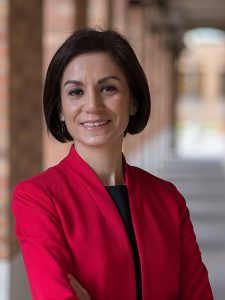
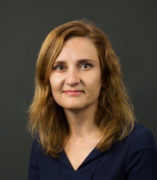
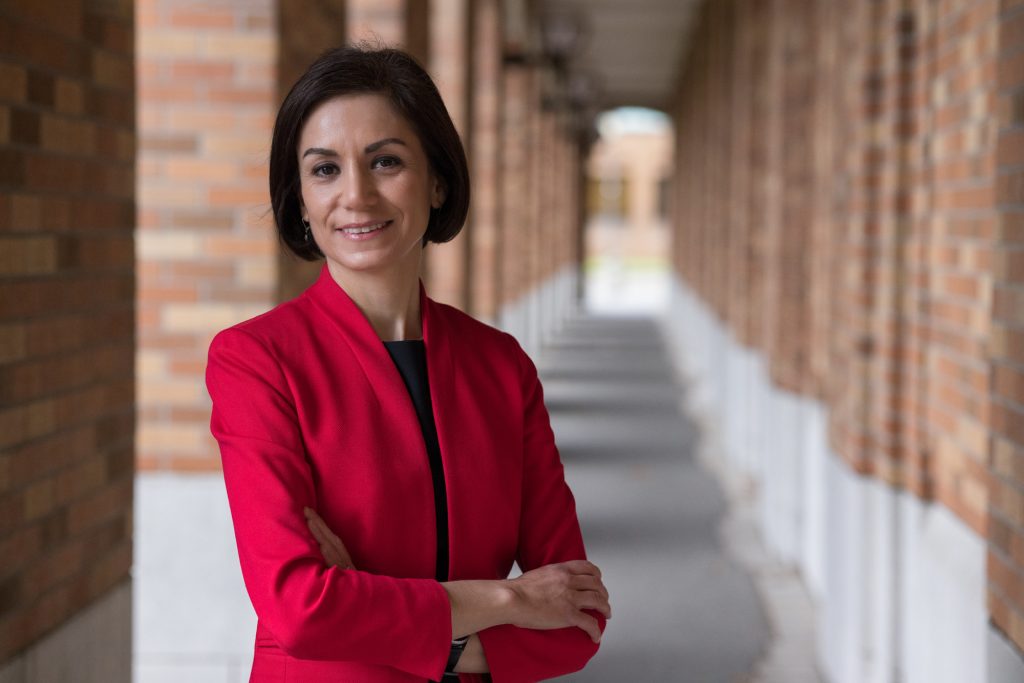
Maryam Fazel is the Moorthy Family Professor in the Department of Electrical and Computer Engineering at the University of Washington, with adjunct appointments in Computer Science and Engineering, Mathematics, and Statistics. She serves as Program Chair for the 2025 International Conference on Machine Learning (ICML) and directs the Institute for Foundations of Data Science (IFDS), a multi-university research institute funded by a $12.5 million NSF TRIPODS Phase II grant.
Her research focuses on Optimization in Machine Learning and AI, Deep Learning Theory, Learning and Control, and Reinforcement Learning. Fazel's work addresses fundamental challenges in data science including reliability, interpretability, security, privacy, and energy efficiency of AI systems. She leads collaborative projects across four universities aimed at developing theoretical foundations for machine learning and data science.
Her research trends show increasing focus on policy optimization for control systems, distributional robustness, and ethical implications of algorithmic decision-making. Recent work bridges theoretical computer science with practical applications in neuroscience and geoscience through innovative 'hack week' educational models.
- NSF CAREER Award (2009)
- UWEE Outstanding Teaching Award (2009)
- UAI conference Best Student Paper Award
- ScienceWatch Fast Breaking Paper selection (2011)
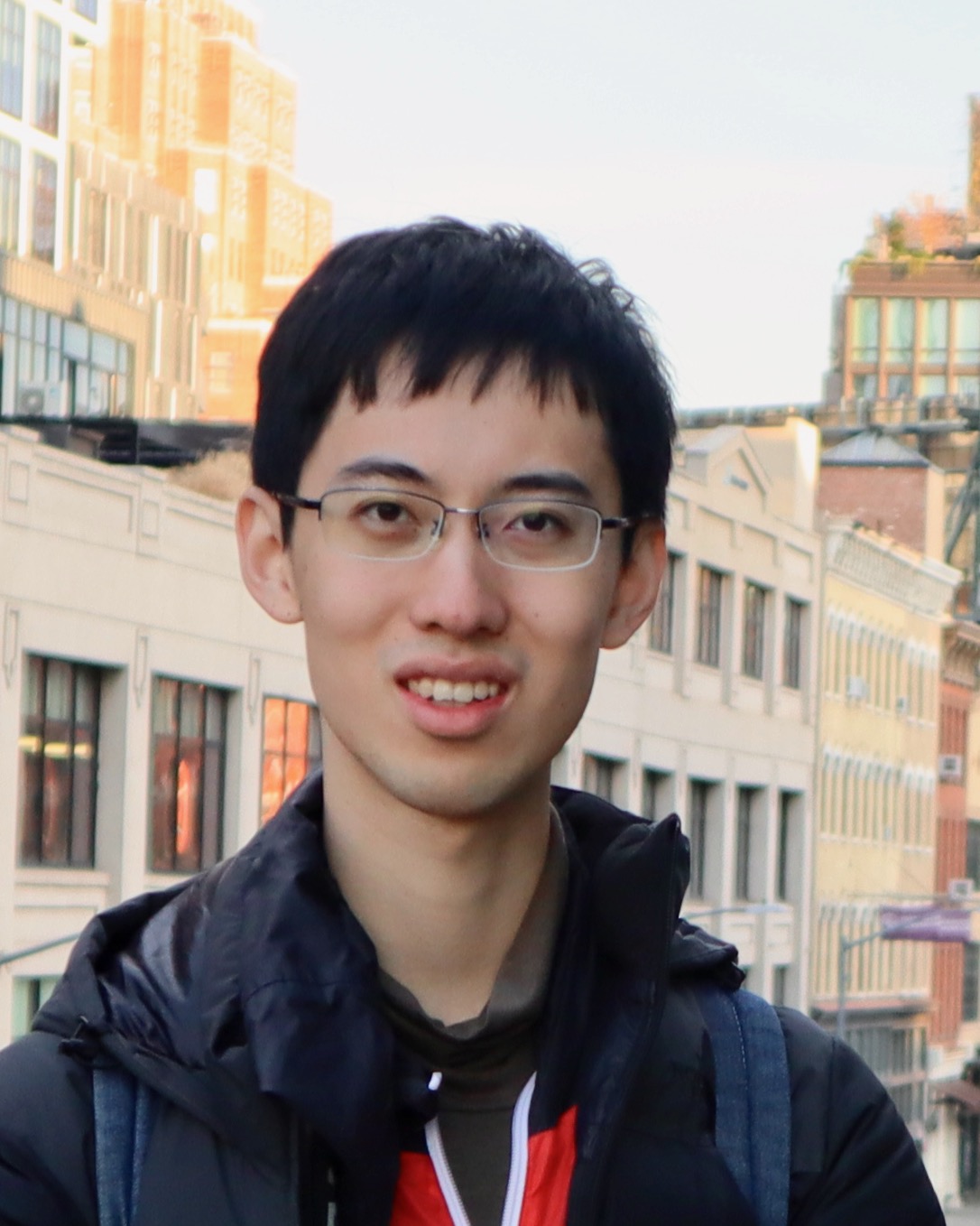
Fazel advises numerous PhD students including Avinandan Bose and Weihang Xu who have received Meta AI Mentorship Fellowships. Her research is supported by multiple NSF TRIPODS grants, a DARPA Lagrange program grant, and industry partnerships with Amazon, Meta, and Microsoft. She co-directs the Algorithmic Foundations of Data Science Institute (ADSI) and serves on editorial boards for the Journal of Machine Learning Research and MOS-SIAM Book Series on Optimization.
She leads the IFDS which organizes summer workshops, research meetings, and educational programs including AI4All@UW for high school students and specialized summer schools in optimal transport and distributional robustness.