معرفی
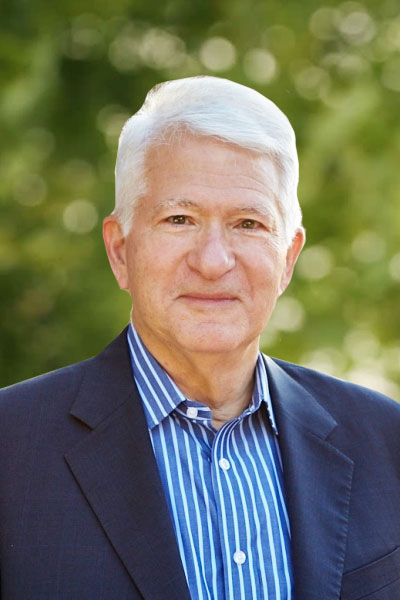
Mary E. Harrington is the Tippit Professor in the Life Sciences (Neuroscience) at Smith College, where she conducts groundbreaking research on circadian clocks and teaches courses in neuroanatomy, sensory systems, Alzheimer's disease, and experimental methods in neuroscience. She maintains an active laboratory that integrates undergraduate students directly into the research process, resulting in numerous student co-authorships on scientific publications.
Education:
- Ph.D., Dalhousie University
- M.A., University of Toronto
- B.Sc., Pennsylvania State University
Professor Harrington's research program focuses on understanding how circadian rhythms influence aging, neurodegenerative diseases, and overall health. Her laboratory has discovered that circadian clocks are impacted by aging but can be partially restored through exercise. Current investigations examine how light at night disrupts cellular clocks and how these disruptions contribute to Alzheimer's disease progression. She has also developed animal models for studying fatigue that have implications for multiple sclerosis research.
Her publication record reveals a consistent trajectory of innovative work in chronobiology, with recent studies exploring the neurovascular unit in aging, the effects of light exposure on circadian rhythms and memory, and novel methods for detecting circadian rhythms across biological systems. She has contributed significantly to educational resources in the field, including CIRCADA, a Shiny application for circadian time series analysis with educational applications.
Professional Recognition:
- Editor-in-Chief of the Journal of Biological Rhythms (since 2020)
- Tippit Professor in the Life Sciences at Smith College
- Author of 'The Design of Experiments in Neuroscience' (3rd edition)
Professor Harrington is deeply committed to undergraduate research mentorship and educational innovation. She has developed Smith College's neuroscience major into a rigorous program where every student completes at least one year of hands-on research. Her laboratory course, Experimental Methods in Neuroscience, provides students with opportunities to conduct original research using current methodologies. She actively promotes Universal Design for Learning to increase inclusivity in science education, with 27% of neuroscience majors coming from groups underrepresented in the sciences.
The Harrington Lab investigates the fundamental mechanisms by which daily rhythms shape biology, how light synchronizes internal clocks through visual pathways, and how age and disease weaken this delicate timing system. Current projects explore how exercise restores aged circadian rhythms by altering neural circuits, how chronic disruptions lead to desynchronization between brain and peripheral clocks, and how these findings could impact treatments for Alzheimer's Disease.