معرفی
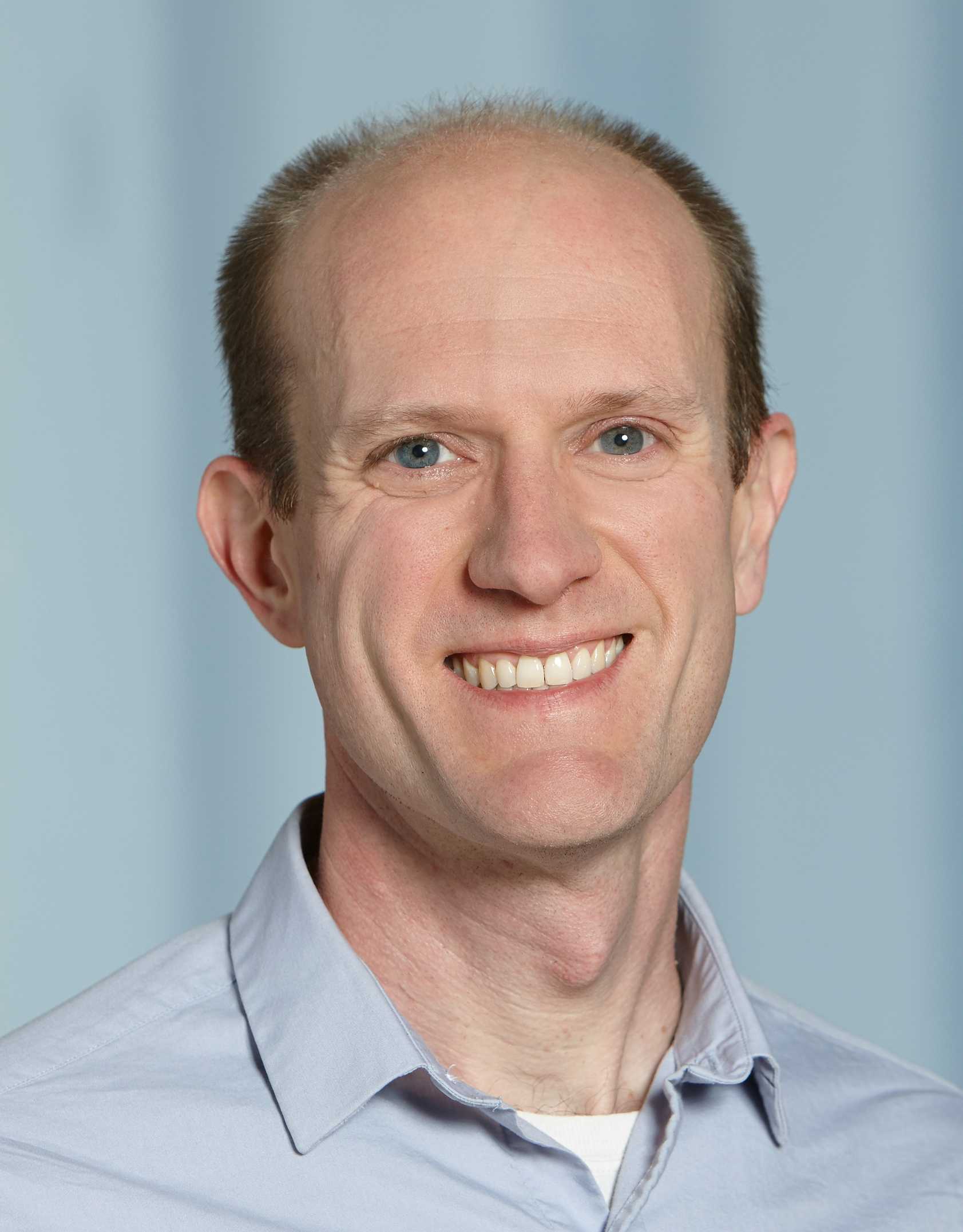
Martin Cohn is an Associate Professor at the Department of Molecular Biology, Umeå University, where he leads the Cohn research group. His laboratory focuses on understanding DNA repair mechanisms in human cells, with particular emphasis on the Fanconi Anemia pathway and genome stability.
Dr. Cohn obtained his Ph.D. at the University of Copenhagen, Danish Cancer Society, followed by postdoctoral training at the Dana-Farber Cancer Institute, Harvard Medical School. He then served as a Group Leader in the Department of Biochemistry at the University of Oxford, where he held prestigious fellowships including a University Research Fellowship from the Royal Society and a Senior Research Fellowship in Basic Biomedical Science from the Wellcome Trust.
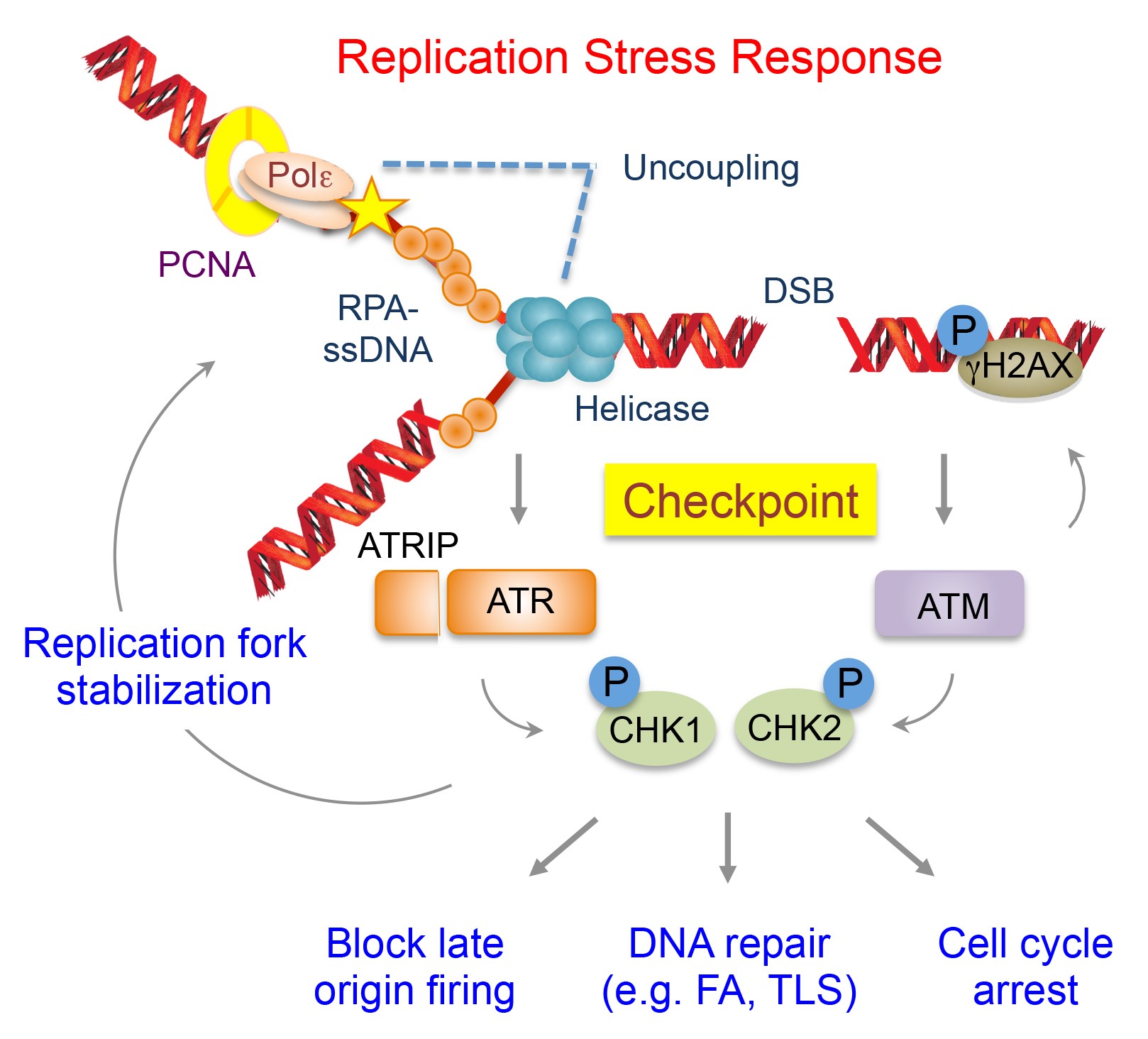
Research in the Cohn laboratory centers on how human cells protect their chromosomes against damage that can lead to cancer. Using molecular and cell biology, live-cell imaging, biochemistry, CRISPR/Cas9 genome engineering, and cryo-EM, his team has discovered novel proteins participating in DNA repair pathways, particularly the Fanconi Anemia pathway. Their work demonstrates that these proteins often function as part of large multisubunit protein complexes.
Analysis of Dr. Cohn's recent publications reveals a consistent focus on DNA interstrand crosslink repair mechanisms, with particular emphasis on the Fanconi Anemia pathway. His research has elucidated how proteins like UHRF1, UHRF2, and FANCD2/FANCI complexes detect DNA damage, recruit repair machinery, and maintain genome stability. His work bridges basic molecular mechanisms with implications for understanding cancer development.
- University Research Fellowship from the Royal Society
- Senior Research Fellowship in Basic Biomedical Science from the Wellcome Trust
Dr. Cohn's laboratory has been successful in mentoring researchers who have gone on to secure positions as group leaders and post-docs at top institutions as well as leading positions in industry. His research is supported by external funding from the Swedish Cancer Society and The Kempe Foundation, including recent funding as part of ten projects at Umeå University that received a total of 30 million SEK from the Swedish Cancer Society.
The Cohn laboratory operates as an interactive and dynamic research group focused on DNA repair mechanisms. The group employs a multidisciplinary approach combining molecular and cell biology, live-cell imaging, biochemistry, CRISPR/Cas9 genome engineering, and cryo-EM to identify and study proteins critical for human DNA repair pathways.