معرفی
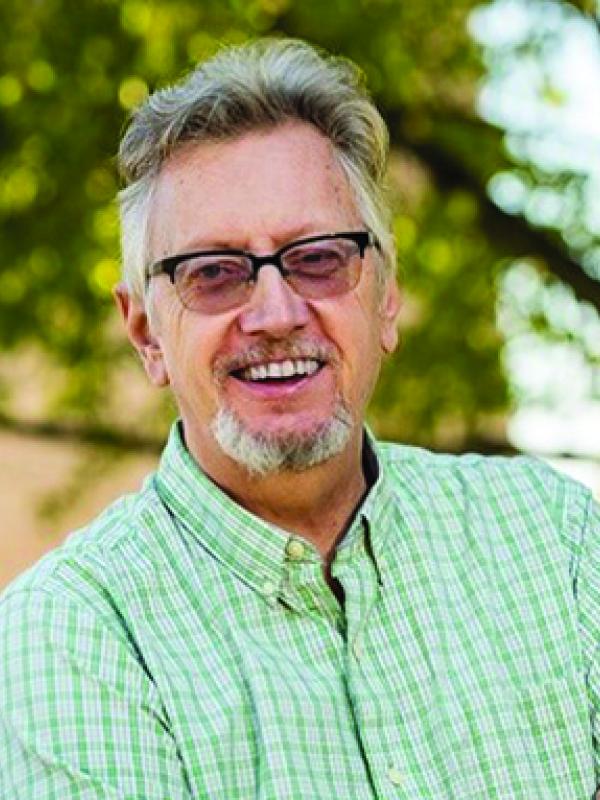
Marti Chaatsmith serves as Interim Director of the Newark Earthworks Center at The Ohio State University Newark, where she leads initiatives centered on Indigenous perspectives of the Hopewell Ceremonial Earthworks. Her work focuses on building sustainable relationships with tribal nations—particularly the Eastern Shawnee Tribe of Oklahoma—advocating for Native American inclusion in World Heritage processes since 2007, and examining earthworks as living cultural landscapes of spirituality and power.
Chaatsmith's research bridges archaeology, cultural heritage, and social justice through projects like the Land-Grant Truth and Reconciliation initiative, which documents tribal perspectives on historic land seizures benefiting universities. She explores earthworks' contemporary significance through artistic collaborations, tribal leadership interviews, and community-engaged scholarship that centers Indigenous knowledge systems in heritage management.
Her publication record (2016-2023) reveals consistent focus on decolonizing research methodologies, with recent work analyzing earthworks through Indigenous concepts of time and documenting tribal stewardship frameworks. This scholarship appears in Tribal College Journal, university press anthologies, and interdisciplinary forums addressing cultural memory and heritage preservation.
Chaatsmith has received significant recognition:
- 2012 Ohio State Newark Ohio Central Technical College Diversity Award
As Interim Director, she mentors students through community-based research projects and secures major grants including National Endowment for the Humanities funding for the Virtual World Heritage GIS Web Map. Her work creates pathways for tribal co-management of heritage sites through collaborations with Miami University's Myaamia Center, Ohio History Connection, and tribal cultural departments.
The Newark Earthworks Center operates as an interdisciplinary hub where Chaatsmith facilitates partnerships between tribal nations, academic researchers, and public institutions. Current initiatives include developing tribal-led interpretation frameworks for earthworks sites and creating educational resources that integrate Indigenous perspectives into public understanding of these ancient monuments.