معرفی
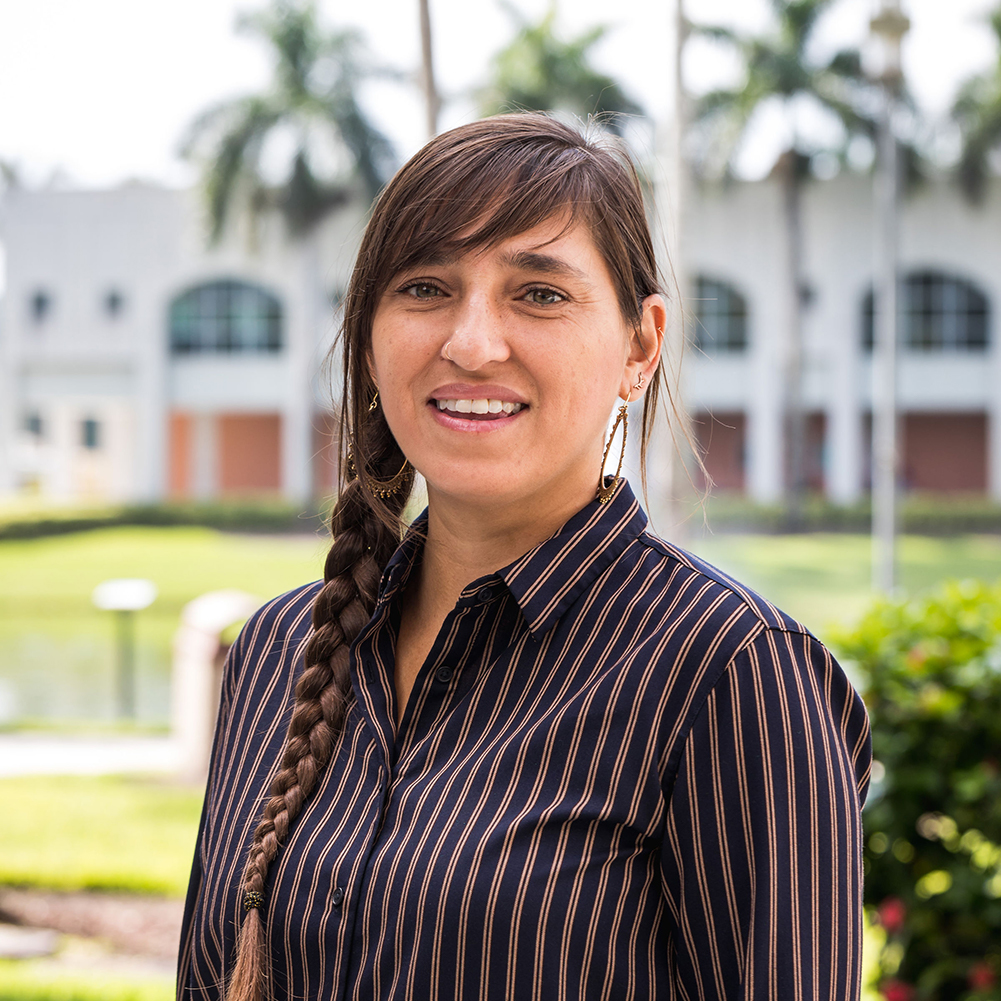
Martha Robbins is a Group Leader at the Max Planck Institute for Evolutionary Anthropology, based in Leipzig, Germany. Her research focuses on the evolution of sociality in gorillas, combining long-term field studies in Rwanda, Uganda, and Gabon with conservation initiatives. Robbins has led projects in Bwindi Impenetrable National Park (Uganda), Volcanoes National Park (Rwanda), and Loango National Park (Gabon), studying mountain and western gorillas. Her work integrates ecology, genetics, and behavior to understand primate social structures, reproductive strategies, and conservation challenges.
Education: PhD in Zoology (University of Wisconsin, 1996), M.S. Zoology (University of Wisconsin, 1993), B.S. Biology/Psychology (University of South Carolina, 1989). Academic roles include:
- Research Associate, Max Planck Institute (1998–present)
- Visiting Assistant Professor, Gustavus Adolphus College (1997–1998)
- Lecturer, University of Wisconsin (1995–1997)
Research interests emphasize gorilla feeding ecology, social behavior, genetics, and conservation. She collaborates with organizations like the North Carolina Zoo and Cleveland Metroparks Zoo on education programs. Her work highlights the interplay between ecological conditions, human impact, and primate population dynamics. Robbins also serves on conservation councils including GRASP and IUCN Great Apes committees.
Key contributions include documenting gorilla dietary flexibility, analyzing group dynamics, and advocating for habitat protection. Her studies on mountain gorilla population growth and genetic diversity underscore the importance of long-term monitoring. Recent research explores facial expression coding (GorillaFACS), arboreal locomotion in gorillas, and the role of culture in primate conservation strategies.